Iran’s Leader Funeral Sends Political Message Amid Post-War Tensions
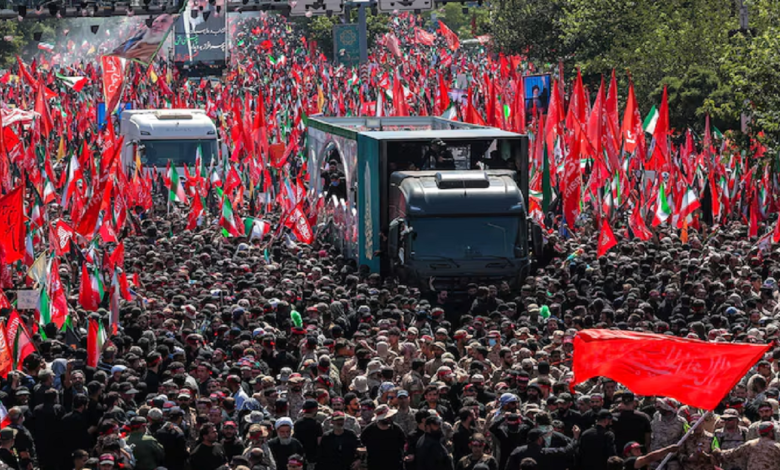
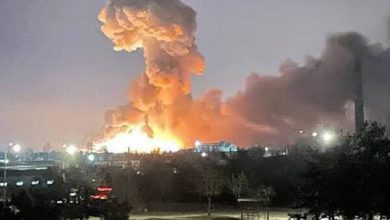
The funeral ceremony of Ayatollah Seyyed Ali Khamenei, the martyred leader of the Islamic Republic of Iran, was held in Tehran with widespread public participation, drawing political reactions regionally and internationally. The event took place amid lingering tensions and consequences of the recent war, which continue to cast a shadow over the regional political atmosphere.
Reuters, citing diplomats and analysts, reported that the large turnout at the funeral is seen by observers as a sign of Iran’s internal cohesion and a political message to the United States and Israel. According to these sources, Tehran seeks to demonstrate that military pressures have not weakened the country’s political structure.
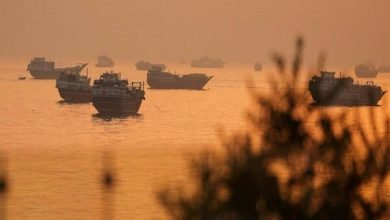
Meanwhile, some regional officials and experts stated that the Strait of Hormuz has become a central focus of Iran’s negotiation strategy. The Strait of Hormuz, a corridor for a significant portion of the world’s oil exports, is considered strategically important by Iranian officials, who have repeatedly emphasized preserving their rights in this area.
According to the report, while a 60-day ceasefire was intended to pave the way for diplomacy, Tehran has been striving to consolidate its position in regional power dynamics. Alex Vatanka from the Middle East Institute said Iran views the Strait of Hormuz not merely as an economic route but as a symbol of its political standing.
Mohammad Bagher Ghalibaf, the Speaker of Iran’s Parliament, previously stressed that the Strait of Hormuz is one of the country’s key power instruments and that Iran will not relinquish its rights there. At the same time, some regional sources claim that Tehran is conducting the negotiation process cautiously and with specific timing.
Former American diplomat Alan Eyre stated that, from Tehran’s perspective, securing its position in Hormuz is a priority, and the nuclear issue may be addressed later. Aaron David Miller, a former U.S. negotiator, also believes that Washington’s military campaign has not fully eliminated Iran’s leverage.
Meanwhile, Ebtisam Al Ketbi, head of the Emirates Policy Center, warned that stopping the war without fundamentally resolving the disputes could lead to continued tensions around Hormuz. Some analysts believe that the future of negotiations and the fate of the Strait of Hormuz will play a decisive role in the trajectory of Tehran-Washington relations.