Afghanistan’s Disaster Management Office and ICRC Emphasize Strengthening Cooperation
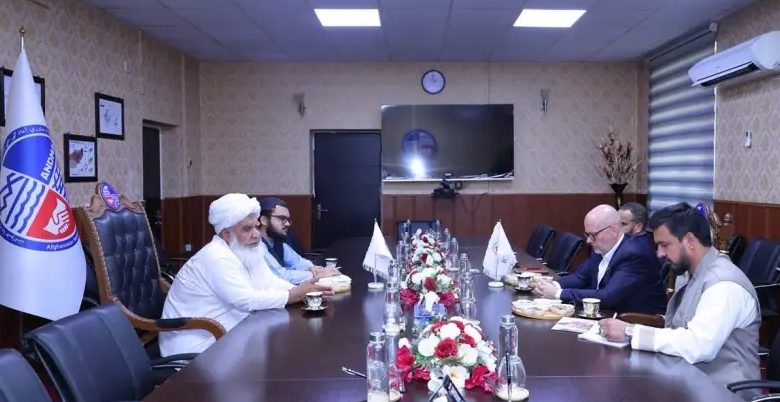
The Director General of the Disaster Preparedness and Response Department and the Head of the International Committee of the Red Cross (ICRC) in Afghanistan held a joint meeting to discuss expanding cooperation in the management of disasters, emergency response, and the delivery of humanitarian services. Both parties stressed the importance of enhancing coordination and establishing effective mechanisms for further collaboration.
According to a statement from the Disaster Preparedness and Response Department’s press office, Mullah Nooruddin Torabi congratulated Younis Brouwer on his appointment as the new head of the ICRC in Afghanistan during the meeting. He expressed hope for the expansion of working relations between the two organizations. Torabi added that his department is ready for comprehensive cooperation with the ICRC, the International Federation of Red Cross and Red Crescent Societies, and the Red Crescent Society.
In response, Younis Brouwer appreciated the existing coordination and emphasized the continuation of joint collaborations. He also announced his organization’s readiness to support humanitarian programs, enhance professional capacities, and develop technical cooperation.
The meeting included discussions on establishing an information-sharing mechanism during emergencies, assisting victims of mines and unexploded ordnance, supporting clinics affiliated with the Disaster Preparedness and Response Department, boosting the professional capacities of staff, and strengthening search and rescue teams and volunteers.
Afghanistan is one of the countries most vulnerable to natural disasters, including floods, earthquakes, and droughts, making effective coordination among domestic agencies and international organizations a persistent necessity. However, structural challenges and resource limitations under the Taliban administration have led to criticisms regarding the preparedness and response levels in some regions. This situation underscores the critical need for enhancing technical cooperation and transparency in implementing joint programs.
At the conclusion of the meeting, both parties reaffirmed their commitment to continued bilateral cooperation, regular information exchange, and the implementation of joint programs aimed at providing rapid and coordinated assistance to disaster victims across the country.