Pakistani analyst says Russia’s shift toward Taliban narrative could reshape regional alignments
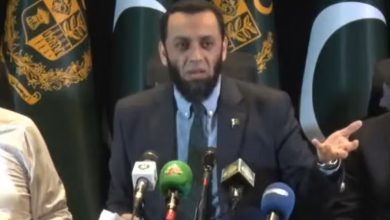
The head of Pakistan’s Centre for Research and Security Studies has warned that Russia’s change of stance on the Taliban administration and ISIS could lead to a rearrangement of regional alignments and spark fresh competition over Afghanistan.
In an article published on Saturday, Oct. 18, in The Express Tribune, Amjad Gul wrote that recent comments by Russian Foreign Minister Sergei Lavrov on the Taliban administration, and his reference to the ISIS threat, have raised serious questions about Moscow’s aims.
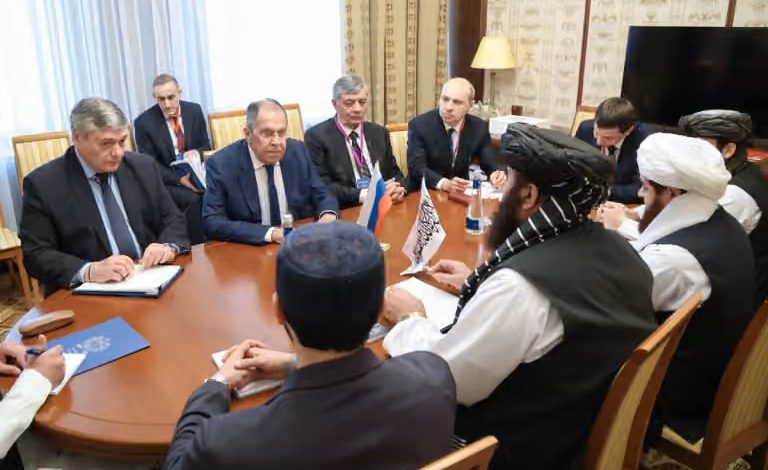
According to him, Lavrov said at the Moscow Format meeting on Oct. 5 that participating countries should accept that the Taliban had “successfully administered the country.” He also praised the Taliban administration’s security forces for fighting ISIS and “other terrorist groups.”
Gul says Russia had described ISIS in July as “Wilayat Khorasan” and as a threat based in Afghanistan, but Lavrov did not use that term on Oct. 6 and instead referred to the Pakistani branch of ISIS as a group carrying out attacks in Afghanistan and Pakistan.
The Pakistani writer added that such a change in wording strengthens the Taliban administration’s narrative, under which ISIS centres are based in Pakistan and operate from there against neighbouring countries, including Afghanistan. He asked whether Moscow’s dropping of the term “Wilayat Khorasan” and moving closer to the Taliban administration’s interpretation was accidental, or part of a shift in Russia’s calculations regarding Afghanistan and Pakistan.
The analysis also referred to Russia’s concerns about Western military presence. According to Gul, Lavrov said Moscow opposes the creation of NATO military infrastructure in Afghanistan and neighbouring countries and fears the return of Western military involvement in the region.
Gul suggested that by drawing closer to the Taliban administration, Russia may also be sending a political message to the United States and Pakistan, and may be ready to help Kabul counter those threats if Washington and Islamabad support groups opposed to the Taliban.
The Pakistani analyst also cited Russia’s allegation that munitions are being transferred from Pakistan to Ukraine as another possible factor in Moscow’s revised calculations, writing that Russia may have placed Pakistan alongside the US- and Europe-led coalition supporting Ukraine.
He concluded by linking the issue to the lack of a clear outcome at the recent Moscow Format meeting, asking whether these changes in Russia’s relations with the Taliban administration and Pakistan could explain why the meeting ended without a joint statement.
Relations between the Taliban administration and Pakistan have been severely strained in recent months, with both sides accusing each other of supporting armed groups; at the same time, reports have emerged of increased clashes along the border.
The Moscow Format meeting was attended by representatives of Russia, the Taliban administration, Pakistan, Iran, China and several regional countries. Russia sought to mediate between the Taliban administration and Pakistan at the meeting, but the differences between the two sides overshadowed the talks and, in the end, the Taliban delegation did not agree to the draft text of the closing statement. Pakistan also said the dispute with the Taliban was not merely over words and that the issues in disagreement were fundamental.