Cost of Trans-Afghan Railway Project Rises to $7 Billion
Uzbekistan officials have announced that the cost of constructing the Trans-Afghan railway project, which connects Uzbekistan through Afghanistan to Pakistan, has increased to over $7 billion. This figure stands in contrast to earlier estimates, which placed the project’s cost at approximately $4.8 billion.
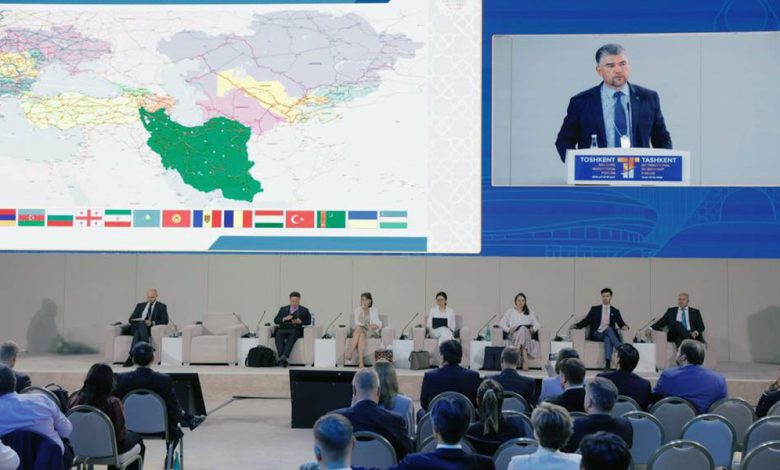
According to Daryo News from Uzbekistan, Jusurbek Choriyev, Deputy Minister of Transport of Uzbekistan, stated at the Tashkent International Investment Forum that the new estimate is based on recent technical reviews and the expanded scope of the project. He emphasized that feasibility studies are ongoing and are expected to be completed by the end of 2026.
The proposed railway line will start from Termez in Uzbekistan and pass through Mazar-i-Sharif, Logar, Kharrachi, and Torkham in Afghanistan before linking to Pakistan’s railway network and Karachi port. The plan includes constructing approximately 760 kilometers of new railway track within Afghanistan, covering the route from Mazar-i-Sharif to Torkham.
Uzbek officials say that once operational, this corridor will reduce cargo transport time between Central Asia and Pakistan from around 35 days to just 3 to 5 days, significantly lowering transportation costs. Choriyev added that the line’s annual cargo capacity after completion will reach 20 million tons, double the previous estimates.
The forum also highlighted that the total trade volume between Central Asian countries, South Asia, and the Commonwealth of Independent States exceeds $700 billion, underscoring the corridor’s importance in the region’s economic dynamics.
Uzbekistan officials also noted that countries such as the United Arab Emirates and Qatar have expressed interest in participating in the project, and the Eurasian Development Bank has declared its readiness to finance a portion of it.
Economic experts believe that completing this project could transform Afghanistan into a key transit corridor in the region, creating new job opportunities, increasing transit revenues, and enhancing economic connectivity. However, realizing such a major initiative requires stability, transparent management, and constructive engagement from the Taliban administration with regional countries, a challenge that has persisted in recent years.
According to official information, after the feasibility study is finalized, a decision will be made on commencing practical work and investment methods. This project is described as one of the largest infrastructure initiatives in the region in recent years and has the potential to reshape Central and South Asia’s transit map.