FAO Forecasts Near-Normal June Rainfall in Afghanistan with Regional Variations
The United Nations’ Food and Agriculture Organization (FAO) has announced that forecasts for June 2026 indicate rainfall levels in most parts of Afghanistan will be close to average, although some northeastern areas may experience above-average precipitation. This assessment was published on Wednesday, June 3, in a report reviewing the country’s climatic and agricultural conditions.
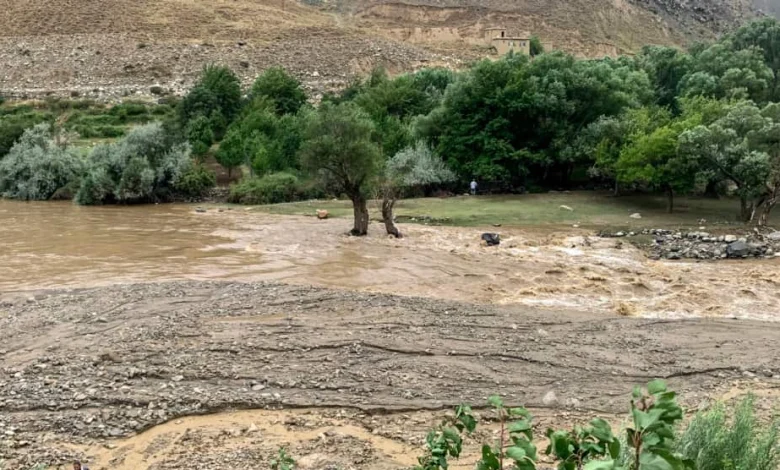
According to the report, southern and western Afghanistan are expected to remain dry and receive little rainfall consistent with typical June climate patterns. However, scattered local downpours could lead to intense short-term rainfall, increasing the risk of flash floods and hailstorms, especially in the northeast, east, and southeast. Such events could damage crops and orchards.
The FAO also warned of rising temperatures during the warm season, particularly in western and southern regions. The organization noted that maximum temperatures in many areas may exceed 35 degrees Celsius, which would increase evaporation and transpiration rates, thus heightening water needs for crops, especially those requiring irrigation.
The report highlighted that reduced snow cover combined with rising heat will likely limit snowmelt water flow in late summer. Data from the FEWS NET network show snow water reserves in many mountainous regions are below average, with severe snow shortages observed in the Hindu Kush, central highlands, and northeast.
For field evaluation, the FAO conducted a rapid survey across 34 provinces, involving 345 group meetings with 5 to 20 participants each. The participants primarily included experienced farmers, local elders, livestock owners, irrigation officials, teachers, members of development councils, local traders, and agricultural, irrigation, and health sector staff.
Regarding rainfed wheat, the report states that harvest has begun in low- and mid-altitude areas, while crops in higher altitudes are nearing full maturity. Sixty-five percent of respondents described soil moisture conditions as suitable, and about 64 percent anticipated an average to good harvest.
Concerning irrigated wheat, 61 percent of areas reported normal growth, with 28 percent experiencing earlier-than-usual development. However, access to irrigation water has declined; only 50 percent of respondents reported sufficient water supply compared to 77 percent in the previous month.
The biggest challenge in low-lying areas is dependency on groundwater and its declining levels. Summer crops are also limited due to water shortages. This situation arises at a time when water resource management and effective drought planning are key responsibilities of the Taliban administration, yet farmers have consistently expressed concerns over the lack of sustainable planning and adequate support in recent years.
Despite these challenges, the FAO concluded that agricultural conditions at the start of June 2026 are assessed as favorable in most regions of Afghanistan, with many areas expecting positive harvest outcomes.