Taliban Leader Emphasizes Sharia and Social Support in Eid Message
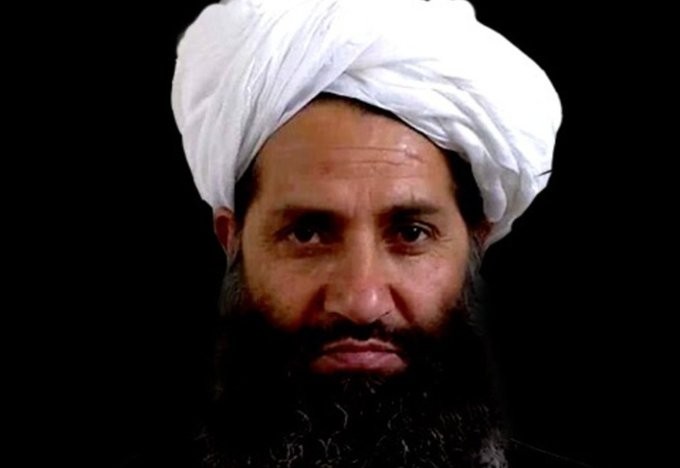
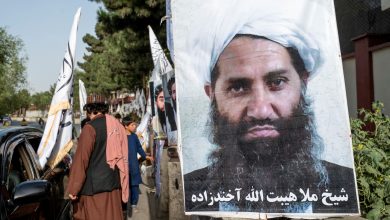
Sheikh Hibatullah Akhundzada, the leader of the Taliban administration, conveyed his Eid al-Adha greetings to the people of Afghanistan and Muslims worldwide, stressing the preservation of the system based on Sharia law, the implementation of Islamic rulings, and addressing the issues faced by returning refugees. He urged security agencies to take necessary measures to ensure safety during the Eid days and instructed relevant officials to pay greater attention to the settlement, land distribution, and facilitation for the returnees.
The Taliban leader claimed that within the framework of the “Islamic system,” the religious rights of the people are guaranteed and injustice and aggression are prevented. He described the activities of Sharia courts and the enforcement of the principle of promoting virtue and forbidding vice as part of societal reform; an institution that in recent years has faced serious domestic and international criticism due to widespread social restrictions, especially against women.
In his message, religious scholars, moral enforcers, and officials from the invitation and guidance department were urged to continue their efforts, particularly in promoting prayer and strengthening faith. Akhundzada also emphasized support for orphans, widows, people with disabilities, and the needy, calling on Afghan investors to play a more active role in assisting vulnerable groups.
He further stated that the Taliban administration seeks to expand political and economic relations with the world, especially Islamic countries, based on the principles of Sharia. This comes amid ongoing human rights restrictions and lack of international legitimacy, which remain major challenges to the administration’s formal engagement with the global community.
The Taliban leader also advised government officials to prioritize serving the people, development, and improving administrative efficiency, and to avoid any oppression against their own people; a point that remains a serious concern for society due to repeated citizens’ complaints about harsh treatment and lack of accountability.