Abdul Bari Jahani Warns Taliban Over Growing Sectarian Hatred Among Shia
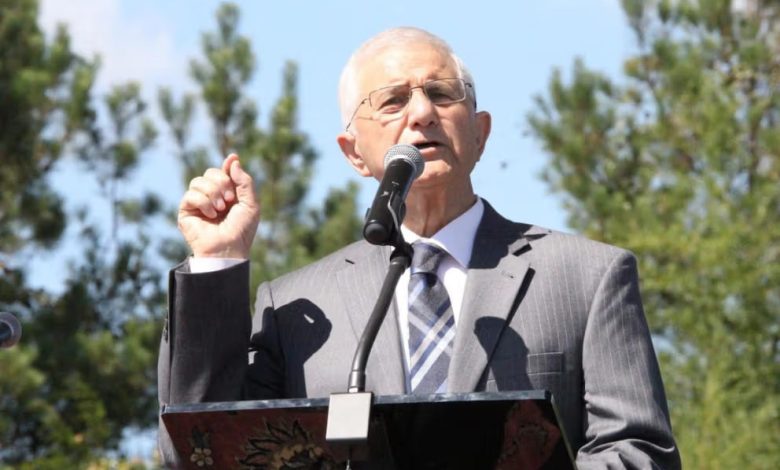
Abdul Bari Jahani, former Minister of Information and Culture, issued an open letter warning that the Taliban’s policies towards Shia communities have transformed opposition into “hatred,” and continuing on this path could have serious consequences. He wrote that when facing the “enmity of some seven million people,” not only a faction but even major powers cannot stand firm.
The Pashto poet and writer harshly criticized the Taliban’s governance and treatment of Shia citizens in the letter published on Sunday, May 17. Jahani denounced the distinction made between the Hanafi and Jafari jurisprudential schools in the Taliban’s penal code as a violation of equal citizenship rights, emphasizing that all Afghan citizens, regardless of their religion, must enjoy equal rights.
In his letter, he referred to the arrest and humiliating treatment of prominent Shia cleric Hussein Dad Sharifi, warning that although the cleric has urged his followers to exercise patience and tolerance, there is no guarantee that harsh reactions will not arise if the pressures continue. He argued that persistent pressure could foster distrust and hatred that pass down through generations.
The former official further alleged that the Taliban have monopolized power within a narrow circle of Pashtun mullahs, especially those from the southwest, creating distrust among other ethnic groups and clans toward Pashtuns. He stressed, “Not all Pashtuns or all Kandaharis are Taliban,” and recalled that historically Pashtuns in both northern and southern Afghanistan have lived in coexistence and brotherhood with other ethnic groups, including Shias.
Highlighting growing criticism nationwide over pressure on Shias, Jahani wrote that restricting religious areas and forcing followers of the Jafari sect to follow Sunni jurisprudential rulings deepens social divides. This comes amid broader criticism of the Taliban’s record on religious minority rights.
He emphasized that he does not support armed struggle and considers past bloodshed harmful to Afghanistan. Nonetheless, he warned that ongoing policies will alienate not only Shias but also the “Pashtun majority” and other ethnic groups from the Taliban administration. He believes no regime in history has survived widespread popular opposition.
In closing, Abdul Bari Jahani added that if the Taliban continue to violate citizens’ rights, appoint non-experts to key ministries, and ignore public demands, the country will be pushed toward a deeper crisis — a warning that reflects growing concerns about Afghanistan’s political and social future.