Pakistan Expels Over 5,000 Afghan Migrants in a Single Day
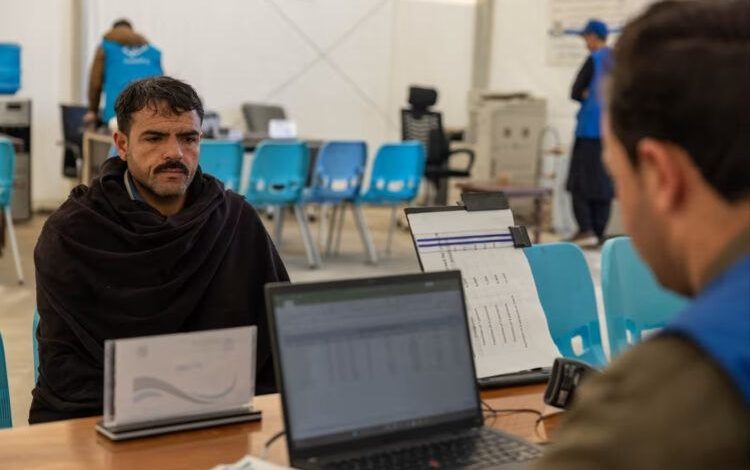
The Taliban administration has announced that the Pakistani government expelled 5,126 Afghan migrants from its territory in just one day. According to the High Commission for Refugee Affairs affiliated with the Taliban administration, these individuals entered Afghanistan on Saturday, May 16, through the Torkham and Spin Boldak border crossings.
The commission stated that among the expelled, 4,685 entered through the Torkham crossing in Nangarhar province, and 441 others crossed via Spin Boldak in Kandahar province. Taliban officials said that cash assistance and transportation costs to their main provinces were provided to some of these returnees.
Meanwhile, joint data from the International Organization for Migration and the United Nations High Commissioner for Refugees indicates that from September 15, 2023, to May 9, 2024, a total of 2.357 million Afghan migrants have returned from Pakistan to Afghanistan. This figure is considered one of the largest waves of forced returns in recent years.
Despite this large-scale return, official statistics show that approximately two million Afghan migrants still remain in Pakistan, many of whom face the risk of arrest and deportation. The Pakistani government has previously declared that actions against undocumented migrants are legal measures and that it will continue this policy.
Alongside Pakistan, the return of Afghan migrants from Iran and Tajikistan is also ongoing, though not on the same scale as the expulsions from Pakistan. International organizations have repeatedly warned about the humanitarian consequences of this trend and emphasized the need to establish support mechanisms for returnees.
At the same time, the unprecedented increase in returns has raised concerns about Afghanistan’s capacity to absorb and resettle these populations internally. Critics argue that the Taliban administration has yet to present a clear, long-term plan for employment, shelter, and access to essential services for returnees, and that continuing this situation could further strain border areas and impoverished provinces.