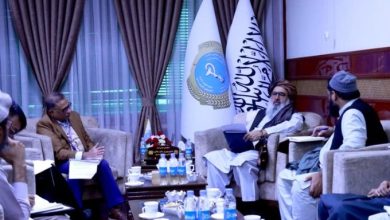
Taliban Administration Launches Electronic Payment System for Transport Fees in Afghanistan
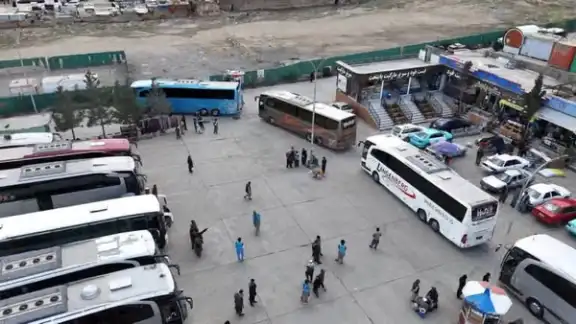
The Taliban’s Ministry of Transport and Civil Aviation has announced the launch of a new system for collecting transport service fees across Afghanistan. Instead of cash payments, tolls related to transport fleet operations will now be collected through electronic payments.
According to the Taliban’s Ministry of Transport, the goal of this program is to increase transparency in revenue collection, reduce administrative issues, speed up payment processes, and establish an organized mechanism for recording and monitoring transport activities. However, the implementation of this plan comes amid repeated complaints from drivers and industry stakeholders about rising mandatory costs, corruption, and irregularities in payments.
Azimullah Kamran, Head of Revenue Control and Regulation at the Taliban Ministry of Transport, claims that bank accounts have been created for more than 40,000 drivers and that distribution of bank cards for electronic payments is ongoing. He said that once completed, this system will assist in the centralized registration and oversight of freight and passenger transport companies across provinces and districts.
At the same time, truck drivers in Herat, Kabul, and other provinces accuse the Taliban administration of administrative corruption, opaque fee collections, and discrimination in scheduling. Passenger bus drivers in northern Afghanistan also emphasize that transport costs have increased up to tenfold compared to the previous era.
A major challenge in implementing this system is the drivers’ lack of trust in the elimination of illegal payments and out-of-framework charges. The success of this initiative depends on transparency in monitoring and managing transport sector revenues and expenses.
The Taliban’s Ministry of Transport has also stated that this system can improve the coordination of Afghanistan’s transport network with regional and global standards, but concerns remain regarding its full implementation and its impact on drivers’ conditions.