Air pollution in Kabul rises sharply as cold season begins
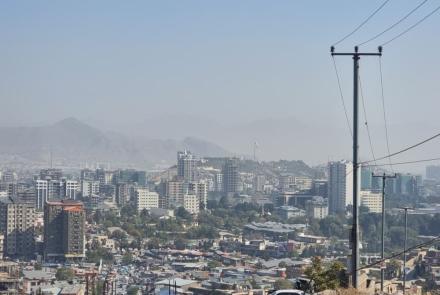
As the cold season approaches, air pollution in Afghanistan’s capital has risen sharply, fuelling concerns about its impact on residents’ health.
Kabul residents say pollution worsens every winter, and this year conditions are again affecting daily life.
International air quality monitoring organisations have reported Kabul’s fine particulate matter level at 24 micrograms per cubic metre, nearly 4.8 times higher than the World Health Organization’s annual standard. The organisations have warned that air pollution could worsen in the coming days and have advised vulnerable groups, especially children, the elderly and people with respiratory illnesses, to wear masks and limit outdoor activities.
The Environmental Health Directorate of the Ministry of Public Health has officially said efforts are under way, in coordination with the General Directorate for Environmental Protection and the Kabul municipality, to reduce air pollution in winter. Aziz Zaki, the head of the directorate, said: “In coordination with Kabul municipality, the General Traffic Directorate and the Environmental Protection Agency, we are trying to ensure alternative fuels such as gas and electricity in the long term. In the short term, installing smoke filters on high-rise buildings, collecting old vehicles and monitoring factories are also under way.”
However, the rise in winter air pollution is considered one of the chronic problems in Kabul and other major Afghan cities, where the widespread use of low-quality fossil fuels, especially coal, vehicle emissions, non-standard industries and the lack of proper heating systems play a key role.