UN: More than 60% of Afghans Live in Multidimensional Poverty
According to a United Nations report, the multidimensional poverty index in 2026 shows, for the first time since the measurement began in 2010, an increase in the number of people living in poverty — a crisis seen more severely and broadly in Afghanistan. In a report released recently to mark the International Day for the Eradication of Poverty, nearly 1.2 billion people worldwide are living below the acute poverty line, up from last year.
According to the report, more than half of the world’s poor — over 617 million people — are children under the age of 18, and nearly one in three children faces multidimensional poverty. African countries have the highest rates of child poverty, followed by South Asia, which ranks second with 181 million poor children.
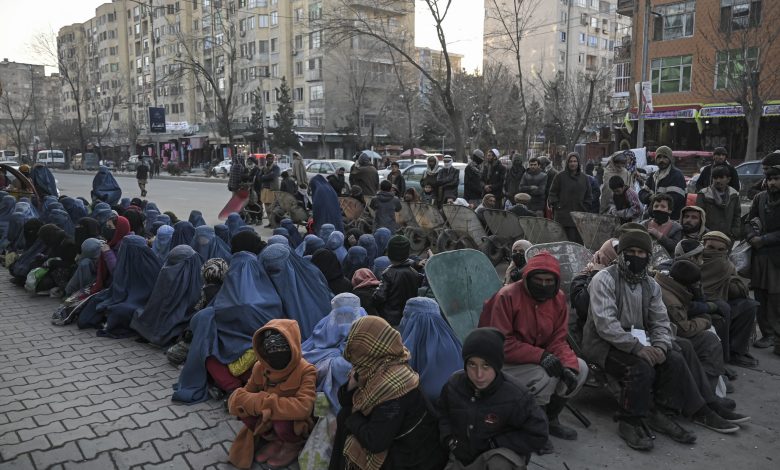
In Afghanistan, the UN report shows that nearly 64.9% of the population is living in multidimensional poverty, indicating simultaneous deprivation in education, living standards and health. The average deprivation among poor Afghans reaches 55.5%, meaning each person has been deprived of more than half of the indicators of a decent life at the same time.
About 39.1% of Afghanistan’s population is in extreme poverty, and another 19.9% is on the edge of poverty and in highly vulnerable conditions. Education accounts for the largest share of deprivation at 42.5%, pointing to a serious crisis in the education and literacy sector. Living standards and health services are other major problems in the country, accounting for 33.4% and 24.1% respectively.
National monetary poverty figures also show that more than 47% of Afghanistan’s people live below the national poverty line, a situation that, alongside multidimensional deprivation, has led to widespread food insecurity. The UN has warned that nearly 40% of the country’s population will face acute food insecurity next winter, and more than four million children will need medical care because of malnutrition.
The rise in multidimensional poverty, especially in Afghanistan, reflects deep economic and social crises that the Taliban administration has so far failed to address with effective solutions — an issue that will have long-term consequences for public health, education and food security.