Long Distances and Difficult Roads Block Access to Health Care in Remote Afghan Areas
Doctors Without Borders says a lack of sufficient health centres and the difficulty of travel have made access to medical services difficult for people living in remote areas of Afghanistan. According to the organisation, some families are forced to travel long distances to reach health facilities and pay costs beyond their financial means.
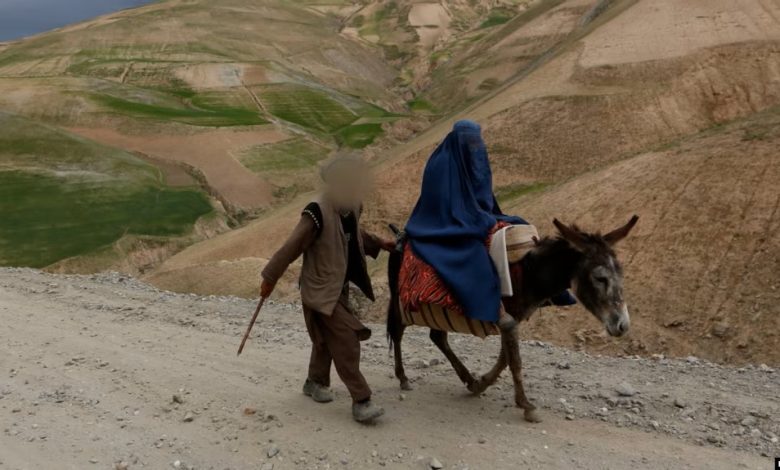
The group said in Bamiyan that it had seen the experience of a pregnant woman who travelled more than four hours by horse to reach a Doctors Without Borders-supported health centre, where she gave birth with the help of a midwife.
Doctors Without Borders said in a message on X that “Muslima,” a resident of the Baghak valley in Bamiyan, travelled by horse from her mother’s home to the health centre last night. According to the organisation, she will also have to return home along the same route on the same horse.
Muslima’s mother said her daughter would have to hold the newborn in her arms on the way back, while she herself travelled by horse. She described the difficulty of the journey by saying: “Travelling by horse is difficult.”
Doctors Without Borders said that for many patients in remote parts of Bamiyan, in the absence of vehicles, horses are sometimes the only means of reaching health facilities. In a separate message, the organisation added that families in northern Afghanistan also face high travel costs in accessing health services.
A shortage of health centres, doctors and medical equipment is considered one of the major challenges facing Afghanistan’s health system, a problem that especially puts pregnant women in remote areas at greater risk and hardship.