FAO Warns of Rising Risk of Flash Floods in Afghanistan in October
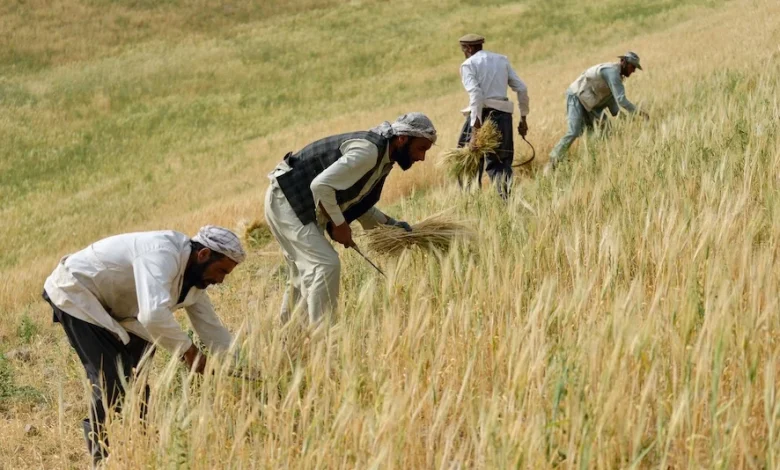
The United Nations Food and Agriculture Organization (FAO) has warned that heavy, localized rainfall in October could trigger flash floods and make life more difficult for farmers at the end of the agricultural season.
In its “Afghanistan Climate and Agriculture Outlook for the 2026-2027 wet season,” published on Sunday, 19 October, the agency said parts of eastern, northeastern, northern and central Afghanistan were likely to experience above-normal rainfall in October.
According to the FAO, increased rainfall could raise soil moisture and create favourable conditions for winter crop planting, especially rain-fed wheat, a crop that in many areas depends on rainfall.
However, the agency stressed that intense and scattered rainfall could not only cause flash floods, but also disrupt the harvesting of remaining summer crops and the collection of fruit from orchards.
The FAO also pointed to farmers’ economic difficulties, saying rising prices of chemical fertiliser and seeds, along with poor summer crop markets, were limiting farmers’ ability to invest in winter planting.
The report said that if rainfall continues at a suitable level, some farmers may be able to maintain or increase the area planted with rain-fed wheat, but cost challenges remain.
In another part of the outlook, the UN agency said that as winter approaches, access to forage in pastures declines and livestock need more feed.
According to FAO information, livestock owners in some areas have begun buying fodder to prepare for winter and are also adjusting the number of animals they keep, a situation the agency said could place greater pressure on livestock owners in areas with limited grazing land.