Report: Hazara situation in Afghanistan has worsened under Taliban rule
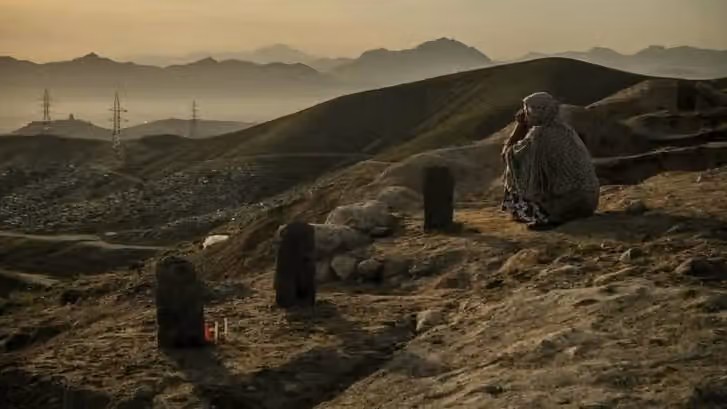
A new report by the Genocide Watch organisation warns that the living conditions of Hazaras in Afghanistan have worsened under Taliban rule, and that threats from Islamic State Khorasan Province have also increased the community’s vulnerability in different areas. The report’s authors say the simultaneous expansion of Taliban and ISIS influence, despite the two groups not being aligned, along with ISIS’s anti-Shia ideology, has contributed to the worsening situation.
The investigative report, which examines historical roots and recent developments, also cites new findings from the United Nations Assistance Mission in Afghanistan (UNAMA). According to the cases mentioned in the report, 12 civilians were killed in April 2026 at a Shia shrine in Herat province, and 45 Shia men were detained in Kabul on 18 June that year for raising Ashura flags.
The report also refers to forced displacement and what the authors describe as “apartheid” as less visible dimensions of the pressure. According to the authors, the Taliban administration has fuelled disorder over the past five years by destroying police infrastructure in Hazara-populated areas; among other examples, Hazara residents of Pash Asmadan village in Sar-e Pul province were forced to leave in 2023.
The report says that while the document was being prepared, a grenade explosion at a school in Dasht-e-Barchi injured more than 40 children. The report does not make clear which group or individual was blamed for the blast.
Genocide Watch has called on international accountability mechanisms to examine the Taliban administration’s role in facilitating attacks on Hazaras, including dismantling police infrastructure and failing to protect Shia religious gatherings and schools. The organisation has also asked the UN secretary-general and UNAMA to investigate and report on ISIS attacks on Hazaras so the findings can be referred to the UN Human Rights Council.
The organisation has also urged donor countries and UN agencies to allocate funding for gender-responsive humanitarian services, including mobile health clinics and psychosocial support programmes, to reduce barriers facing Hazara women and girls.