Ahmad Massoud Says His Father’s Path Will Continue Until Afghanistan Is Free
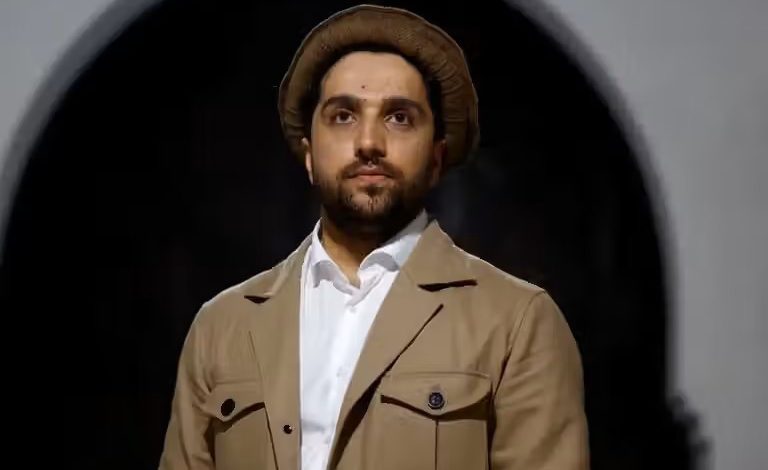
Ahmad Massoud, leader of the National Resistance Front of Afghanistan, said on the 25th anniversary of Ahmad Shah Massoud’s assassination that his father’s path and ideals for Afghanistan’s freedom would continue. He said the name and thought of Ahmad Shah Massoud remain alive in Afghanistan’s struggle for resistance and freedom.
Mr Massoud marked his father’s memory in a post on the social media platform X, citing a verse by Rudaki. In the message, he wrote that Ahmad Shah Massoud is not only a historical figure, but also a symbol of commitment to Afghanistan’s freedom, dignity and independence.
The leader of the National Resistance Front said the path Ahmad Shah Massoud began in the struggle for freedom would be pursued until Afghanistan achieves full freedom. The remarks came as a number of political figures and movements also marked the anniversary by stressing continued resistance against the Taliban administration.
Earlier, Hamid Karzai, Abdullah Abdullah, Ata Mohammad Noor, Mohammad Ismail Khan and Hanif Atmar also posted messages recalling Ahmad Shah Massoud’s role in national unity, the fight against the Soviet army and the Taliban administration, and efforts to achieve a free country with a legitimate system.
The National Resistance Front and the Afghanistan Freedom Front also issued separate statements honouring Ahmad Shah Massoud and stressing the continuation of the fight against the Taliban administration. The National Resistance Front described his assassination as a horrific crime and said it would continue to stand firm until Taliban rule ends. The Afghanistan Freedom Front also said the struggle is not directed against any ethnic group or language, but is aimed at reclaiming the fundamental freedoms and human rights of Afghanistan’s citizens.
Ahmad Shah Massoud, Afghanistan’s former defence minister and one of the prominent anti-Taliban commanders, fought Soviet forces and communist governments in the 1980s and also stood against the Taliban in the 1990s as part of the Northern Alliance. He was assassinated on 9 September 2001 in Khwaja Bahauddin district of Takhar province during an interview, in an attack carried out by two al-Qaeda members posing as journalists.