US Withdrawal Anniversary Marks Collapse of Republic and Deepening Crisis in Afghanistan
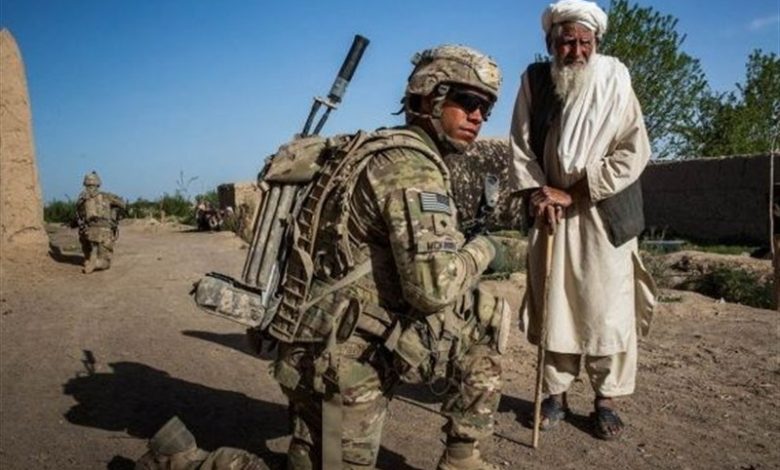
Today, August 31, marks the anniversary of the withdrawal of US forces from Afghanistan, an event that coincided with the collapse of the republic and left the country facing a wide-ranging political, economic and humanitarian crisis.
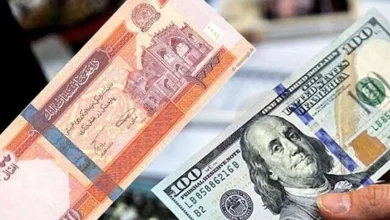
Following the withdrawal, Afghanistan’s former political structure disintegrated, and an economy dependent on foreign aid was hit by a severe shock. The freezing of nearly $9 billion in assets belonging to Afghanistan’s central bank in US banks also increased pressure on the country’s financial system and raised poverty levels among families.
The development also led to the loss of a large part of the gains made over the past two decades in the areas of freedom of expression, civic activity, women’s rights and social participation. At the same time, a mass exodus of skilled professionals, including doctors, engineers, university professors and other specialists, left Afghanistan facing a greater shortage of human resources.
The chaotic scenes at Kabul airport in August 2021, including crowds of people and attempts by some citizens to leave, became one of the defining images of the event. These images received wide global coverage and once again highlighted the human and political cost of ending America’s 20-year presence in Afghanistan.
Against the backdrop of these developments, the Doha agreement of February 2020 is also seen as one of the decisive turning points. Under the deal, Washington set out its withdrawal path while sidelining the Afghan government at the time. This process further weakened the morale of the former security forces and accelerated the collapse of the republican system.
The US withdrawal on August 31, 2021 brought an end to the country’s two-decade military presence in Afghanistan. The United States had launched its military campaign in Afghanistan after the September 11, 2001 attacks and, over that period, experienced one of its costliest military interventions.