Crowding at Kabul Children’s Hospital Highlights Afghanistan’s Healthcare Crisis
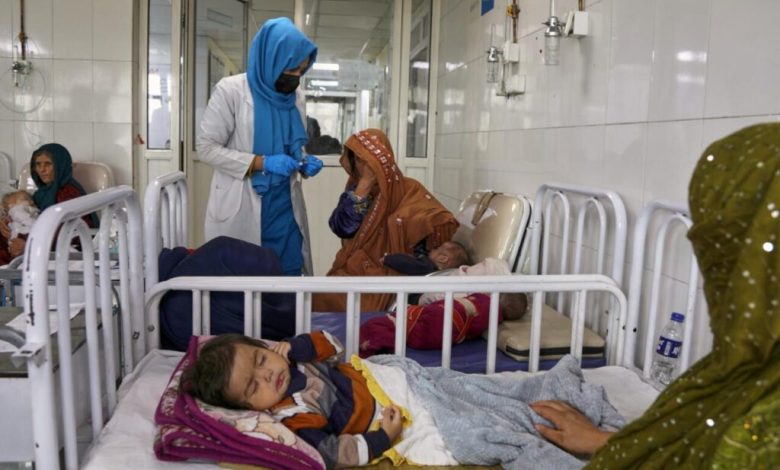
A field report by Sky News from Kabul’s largest children’s hospital shows that Afghanistan’s healthcare crisis has reached a worrying stage, with severe overcrowding, shortages of medicine and equipment, and mounting pressure on health workers. In parts of the hospital, Sky News correspondent Alex Crawford said several sick children are forced to share one bed, a situation seen as reflecting the lack of capacity to cope with rising numbers of patients.
According to the report, part of the pressure on major urban hospitals stems from the closure of medical centres in remote and rural areas. This has forced families to travel long distances to Kabul in order to access basic healthcare services, multiplying the burden on the capital’s hospitals.
Doctors and nurses at the hospital are facing a severe shortage of medicines, medical supplies and staff, while at the same time having to respond to an increasing wave of patients. The report says many of the hospitalized children suffer from malnutrition and infectious diseases, conditions that doctors say 40 to 50 percent of could have been prevented through access to basic health services and proper nutrition.
Poverty, unsafe water, poor sanitation and limited access to healthcare have been identified as the main factors making children vulnerable. International organisations have also warned that Afghanistan is facing one of the most severe waves of child malnutrition in recent years, with millions of children under the age of five struggling with varying degrees of the problem.
Sky News also reported on mothers who travelled hundreds of kilometres to seek treatment for their children. In one example, a mother came to Kabul from Kandahar to find treatment for her child, while families wait for hours in queues and the strain of limited facilities continues to grow on health workers.
The report also highlighted the impact of restrictions imposed by the Taliban administration on women’s work. According to doctors and aid organisations, these restrictions have weakened the health system, especially in maternal and child health, and have made the delivery of services more difficult, as the presence of female doctors, nurses and midwives is considered vital for caring for mothers and newborns.
Sky News described the reduction in humanitarian aid and the political isolation of the Taliban administration as factors worsening the situation. Estimates by international organisations also show that in recent years hundreds of health centres in Afghanistan have been closed or suspended because of reduced funding and the cutting of part of foreign aid, leaving millions of people, especially women and children, without access to basic health services.
Children’s hospitals in Kabul are among the few specialised treatment centres for children in the country, and patients from different provinces usually go to these facilities. The concentration of patients at these hospitals, alongside the collapse of some health services in remote areas, has increased pressure on the capital’s healthcare system.