Taliban Attend OIC Women’s Conference Without Female Representative
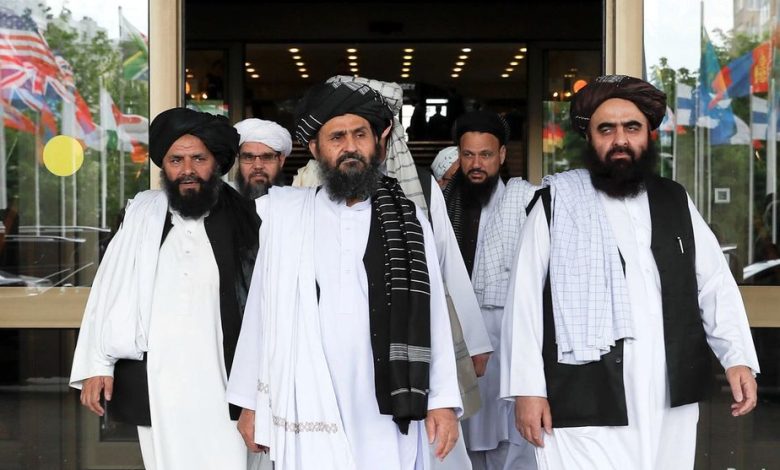
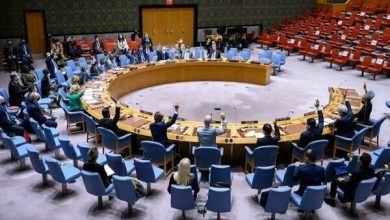
The ninth Islamic Cooperation Organization (OIC) Ministerial Conference on Women opened on Sunday in Islamabad; however, despite formal requests from the organizers, the Taliban administration did not send any female officials to participate in the meeting. This is while the main focus of the conference is empowering women socially, economically, and politically within member states.
The OIC had requested the Taliban government to send a qualified female representative to the conference. Nevertheless, since regaining power in August 2021, the Taliban have dismissed women from high-ranking government positions and did not nominate any women to attend the summit. Until the event, the official presence of the Afghan delegation had not been confirmed by organizers; however, the Afghan flag was displayed alongside those of other participating countries at the venue.
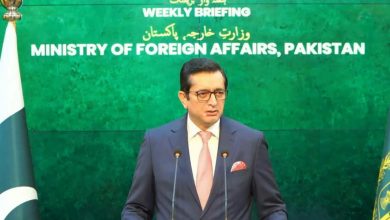
Held on July 12 and 13 (21st and 22nd of Tir, 1402 in the Iranian calendar), and hosted by Pakistan’s Ministry of Human Rights, the conference brought together around 190 delegates from 57 member states. Many countries sent ministers or senior officials responsible for women’s affairs. Iran and Iraq sent their vice presidents for women and family affairs, while several other Islamic countries participated with ministers and high-level delegates focused on women’s issues.
The main theme of the conference is “Social, Economic, and Political Empowerment of Women in OIC Member States: Challenges and the Way Forward.” Key topics include increasing women’s participation in economic and political domains, narrowing the digital divide, expanding technological opportunities, and assessing the status of women in crisis-affected regions.
According to the announced agenda, the situation of Afghan women and girls will also be reviewed on the sidelines of the conference. During specialized sessions on the second day, the educational and social restrictions imposed on Afghan women will be discussed.
Since the Taliban’s return to power, girls have been banned from education beyond sixth grade and from attending universities. Strict limitations on women’s employment, mobility, and social presence have been widely imposed across the country. Human rights organizations consider these policies serious violations of women’s fundamental rights, though the Taliban reject such criticisms, asserting that their policies are based on their interpretation of Islamic Sharia law.
The absence of a female representative from the Taliban regime at a conference focused on women’s empowerment highlights a stark contrast between the Taliban’s policies and the attitudes of many Islamic states toward women’s participation in political and social spheres.