Daily Returnees from Pakistan to Afghanistan Surpass 10,000 Amid Forced Deportation Warnings
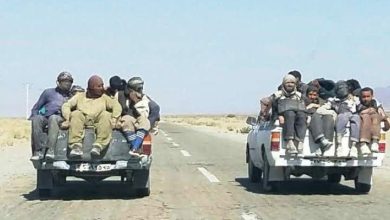
The United Nations High Commissioner for Refugees (UNHCR) has warned against the forced deportation of Afghan returnees from Pakistan as their numbers surge significantly. Reports from border crossings indicate that after Islamabad’s deadline passed, the daily number of returnees exceeded 10,000.
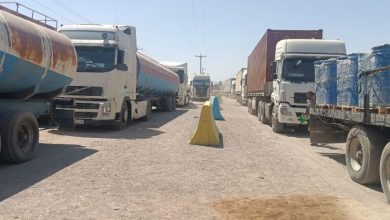
The Pakistani newspaper Dawn, citing local officials at the Hamza Baba transit crossing in Landi Kotal, reported that following the Pakistani government’s order for all Afghan citizens to leave by July 10 (19th of Saratan), daily returns have nearly tripled compared to May and June. This trend is also evident at the Torkham crossing, where border officials have indicated the likelihood of further increases in the coming days.
Qaiser Khan Afridi, spokesperson for the UNHCR in Pakistan, expressed gratitude for Pakistan’s decades-long hospitality but emphasized that no refugee should be returned to a country where their life or freedom is at risk. He specifically voiced concern over the situation of women returning to Afghanistan, where basic rights for women and girls face severe restrictions under Taliban rule.
Over the past four years, the Taliban administration has imposed extensive limitations on women’s education, employment, and social participation—issues that have raised alarm among international bodies and intensified concerns over the forced return of female refugees. The UN agency stresses that returns must be conducted with dignity and be based on the full consent of the individuals involved.
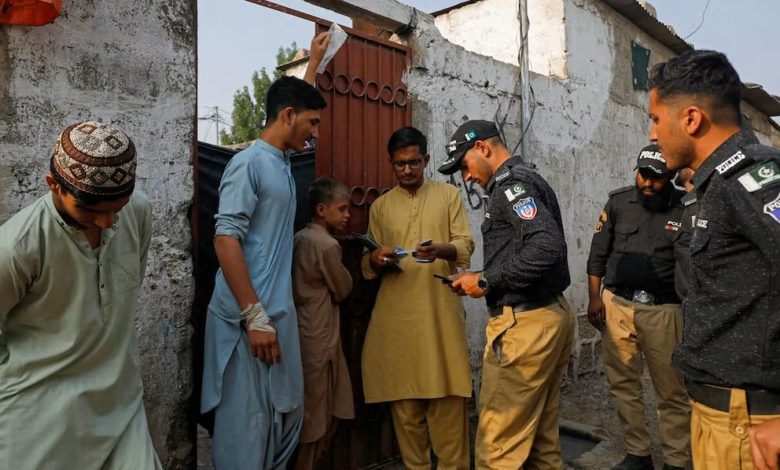
Border officials in Landi Kotal and Torkham stated that fears of detention and deportation have compelled thousands of Afghans, both documented and undocumented, to leave Pakistan before the full implementation of the deportation plan. They also noted that with the expansion of operations by Pakistani government agencies, the wave of returns is expected to grow.
According to UN data, since November 2023, about 2.56 million Afghan nationals have returned to Afghanistan. Of these, approximately 260,000 were forcibly deported by Pakistan’s immigration authorities for lacking legal documents. Currently, nearly 900,000 Afghan refugees and asylum seekers remain in Pakistan.
UNHCR has requested the Pakistani government to exempt vulnerable groups—including female heads of households, schoolgirls, ethnic and religious minorities, journalists, civil society activists, artists, and LGBTQ community members—from the deportation process. However, local Pakistani officials have indicated that the removal process continues in an organized manner in areas like Lower Mohmand, with families being returned to Afghanistan after completing administrative procedures.