Taliban Ministry of Defense Holds Meeting to Establish Cancer Treatment Centers in Afghanistan
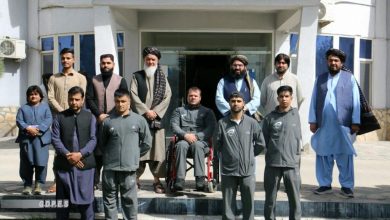
The Ministry of Defense under the Taliban administration announced that a joint meeting was held to discuss the establishment of standard centers for diagnosis and treatment of cancer in Kabul and several provinces. According to the ministry, the meeting was chaired by Dr. Mohammad Taher Ahrar, Commander of Health Affairs at the General Staff of the Ministry of Defense.
The statement added that a committee responsible for cancer diagnosis and treatment services has been appointed under the leadership of Maulvi Abdussalam Hanafi, Administrative Deputy Prime Minister in the Taliban administration. Officials from the Ministry of Public Health, Health Affairs Command of the Ministry of Defense, Ministry of Interior, and hospitals affiliated with the General Directorate of Intelligence also attended the meeting.
According to the released information, participants discussed the creation of standard cancer treatment centers, enhancing the capacity of health services, strengthening coordination between military and civilian health institutions, and expanding joint cooperation. However, the statement did not provide details regarding the budget, timeline for implementation, or how residents of the provinces will access these services – an issue that has long been one of the main challenges in the country’s health sector.
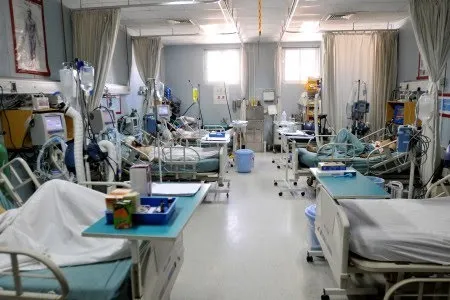
At the end of the meeting, members of the committee visited the cancer diagnosis and treatment center and the Intensive Care Unit (ICU) at the 400-Bed Complex Hospital of Martyr Sardar Mohammad Dawood Khan. They assessed the bed capacity, quality of health services, and the process of patient diagnosis and treatment.
The Ministry of Defense stated that the purpose of the meeting and visit is to improve prevention, diagnosis, and treatment services for cancer and to enhance the quality of medical care. Given the growing needs in cancer treatment in Afghanistan, citizens expect that such meetings will lead to practical actions and broader patient access to services across all regions of the country.