HRW Warns EU Against Agreement with Taliban on Afghan Refugee Returns
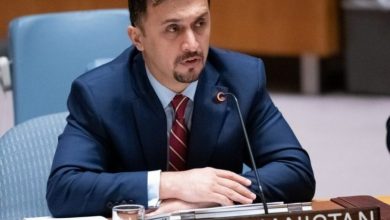
Philippe Abassi, a researcher at Human Rights Watch, emphasized that the European Union should not enter into agreements with the Taliban administration to return Afghan refugees, as any forced deportations would expose them to serious risks of abuse, detention, and torture. He stressed that Afghanistan under Taliban rule is not a safe country for forced returns.
According to Human Rights Watch, Brussels hosted a delegation of Taliban officials on June 22, 2026, for the first time since the Taliban regained power in 2021. The European Commission described the meeting as “technical,” focused on the issue of refugee returns, but a Taliban spokesperson called it a “historic” trip aimed at normalizing consular relations. This discrepancy in narratives has heightened concerns over the main purpose of the talks.
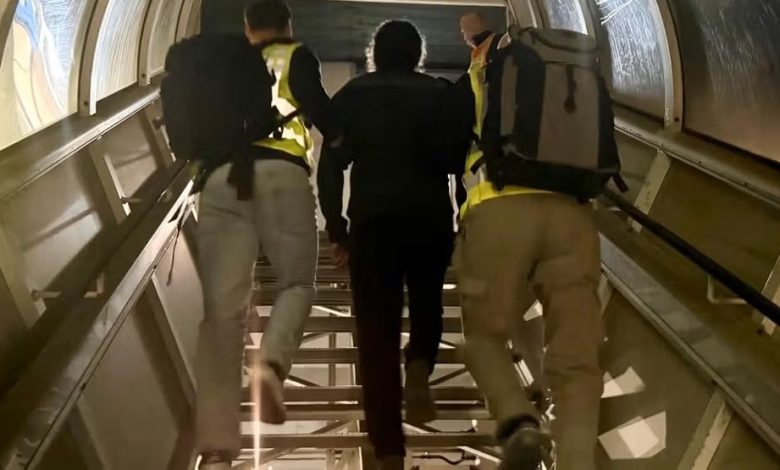
The Taliban spokesman stated that the negotiations involved discussions about reaching an agreement for a “dignified return process” for refugees. However, international law explicitly prohibits forcibly returning individuals to places where they face a real risk of torture, abuse, or threats to their life.
Abassi noted credible evidence indicating that security forces under the Taliban have detained and tortured some individuals who were returned to Afghanistan. He added that the suppression of media freedoms, arbitrary detention of critics and human rights defenders, denial of secondary and university education for girls and women, and severe restrictions on their work and movement are all part of the human rights record of the group.
In light of these circumstances, some countries, including Sweden, Denmark, Austria, and the Netherlands, have granted Afghan women asylum solely based on their gender and nationality. These decisions indicate that concerns about the security and fundamental rights of women in Afghanistan are taken seriously at the international level.
The report also highlights that the challenges faced by returned refugees extend beyond detention and torture risks. Many who were previously forcibly expelled en masse from Pakistan and Iran have arrived in a country without capital, housing, or access to basic services, grappling with an economic crisis, diminishing international aid, widespread unemployment, and drought. These conditions have made forced returns a survival challenge.
Abassi insisted that cooperating with the Taliban administration to deport refugees, while the EU has consistently condemned the group’s human rights record, represents a stark contradiction in Brussels’ policies and called for an immediate halt to all forced deportation plans.
Meanwhile, Magnus Brunner, the European Union Commissioner for Home Affairs and Migration, previously defended the invitation extended to Taliban representatives in Brussels, stating that the EU “has no choice but to engage in dialogue with the Taliban” to return rejected Afghan asylum seekers.