UNICEF Facilitates Health Services Access for 6.5 Million People Across Afghanistan
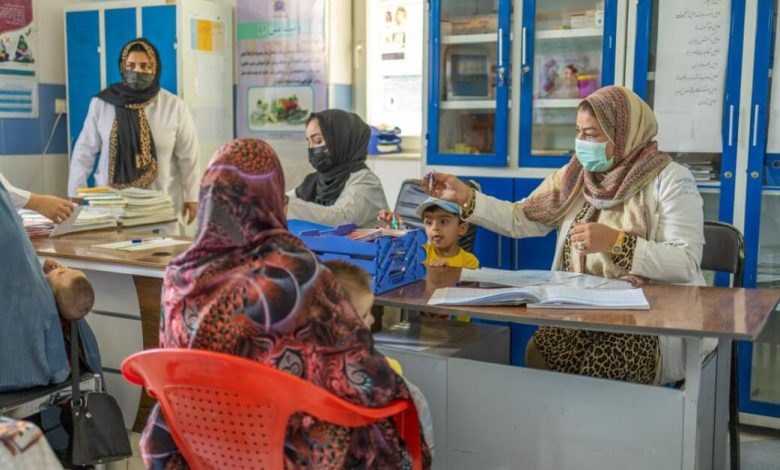
The United Nations Children’s Fund (UNICEF) has announced that, by supporting health centers throughout Afghanistan, it has enabled over 6.5 million people to access health services. This support covers 34 provinces across the country.
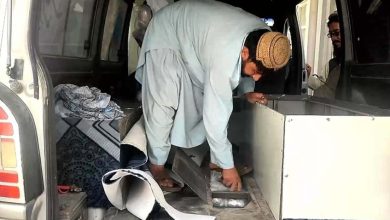
According to a new report from the organization, UNICEF currently supports 2,393 fixed health centers and 16 mobile health clinics, many of which are the only treatment options available to residents in remote areas.
UNICEF also stated that by supporting 3,500 nutrition centers, it has enabled treatment for 25,738 children suffering from malnutrition. Malnutrition remains one of the most serious health challenges in Afghanistan, exacerbated by the economic crisis and decreased international aid.
In the education sector, through community-based educational initiatives, the organization has provided schooling opportunities for more than 42,000 children, 60 percent of whom are girls. This comes despite the Taliban administration’s restrictions on girls’ education beyond the sixth grade in schools, which continue to block millions of girls from accessing education and have raised widespread domestic and international concern.
UNICEF reported that in May alone, cash assistance was distributed to 20,821 families across four provinces to help meet some of their immediate needs.
The United Nations estimates that 22 million people in Afghanistan require humanitarian aid, with $1.7 billion urgently needed to respond to the situation. However, by mid-2024, only 16 percent of this funding has been secured, posing a serious risk to the continuation of vital services.