Pakistan’s Army Chief Holds Taliban Directly Responsible for Preventing TTP Attacks
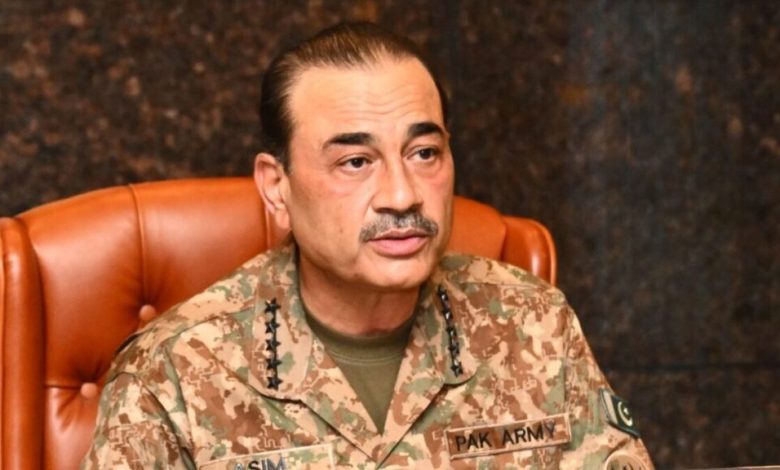
Asim Munir, Pakistan’s Army Chief, stated that lasting peace and stability in the region depend on preventing the use of Afghan soil by what he described as “terrorist proxy groups affiliated with India,” emphasizing that the Taliban administration bears “direct responsibility” in this regard. He warned that Pakistani forces will continue their operations against these groups, even inside Afghan territory.
Munir made these remarks at the 76th meeting of Pakistan Army commanders in Rawalpindi, asserting that Pakistan has the “inherent and unquestionable right” to defend its citizens. According to him, intelligence-based operations under “Operation Ghazb-e-Haq” against what he termed “terrorism emanating from areas under Taliban control in Afghanistan” will continue.
A statement from the Pakistan Army, without directly naming Afghanistan, noted that the meeting stressed the establishment of effective governance structures in unstable regions and the severing of the “destructive connection between terrorism and organized crime.” It also condemned any financing, facilitation, or “state support” of proxy groups and warned that efforts to destabilize Pakistan will be met with “resolute determination.”
Following what he called the “broad defeat of the enemy in Operation Ghazb-e-Haq,” the Army Chief said the use of “hybrid warfare” tactics and foreign-backed misinformation campaigns have increased. He directed military commanders to accelerate the multidimensional transformation of forces in line with the changing nature of warfare.
Meanwhile, the Taliban administration has previously denied the presence and activities of groups such as the Tehrik-i-Taliban Pakistan (TTP) in Afghanistan and asserted that it does not allow any party to use Afghan territory against others. A Taliban spokesperson described TTP attacks in Pakistan as an “internal matter” of that country.
However, Pakistani officials consider these statements inadequate and accuse the Taliban administration of enabling these groups to operate. These continuing accusations highlight renewed doubts about the Taliban’s ability to control armed groups and prevent the use of Afghanistan for regional insecurity.
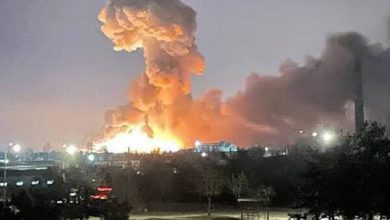
Since late last year, Pakistan has conducted several air and artillery strikes on border regions and some Afghan cities, including Kabul. Islamabad claims these attacks targeted “TTP centers and hideouts,” but United Nations reports indicate that the vast majority of casualties have been civilians.
In the latest instance, areas of the Paktia, Paktika, and Kunar provinces were bombarded in late June. Pakistan’s Information Minister stated that “25 members of the TTP and Jamaat-ul-Ahrar” were killed in these attacks, while UNAMA reported that 28 civilians were killed and 49 others wounded.