UN OCHA Warns Afghanistan Crisis Persists Despite Fading Media Coverage
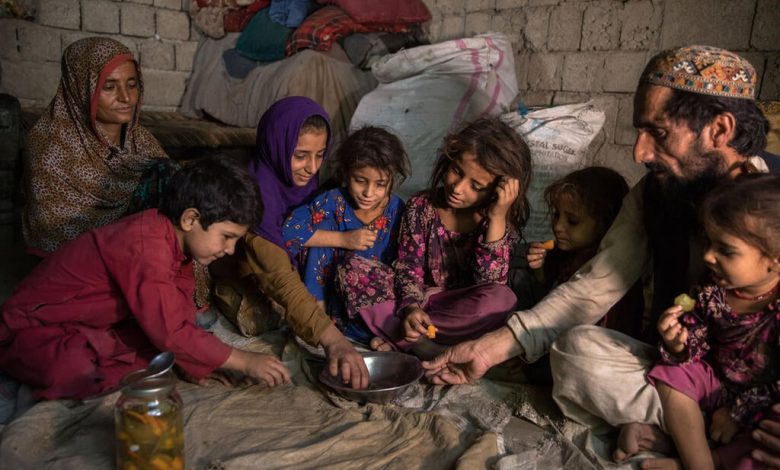
The United Nations Office for the Coordination of Humanitarian Affairs (OCHA) has stated that the ongoing crisis in Afghanistan continues to affect the daily lives of millions of families despite reduced media attention. On Monday, July 5, OCHA emphasized in a message on X that the crisis fading from headlines does not mean it has ended.
OCHA stressed that responding to urgent needs alone does not constitute sustainable improvement in people’s lives. According to the agency, true recovery will be achieved when family livelihoods are restored, community resilience is enhanced, and conditions are created for building a hopeful future.
In part of the message, a rural woman from the Gyan district of Paktika province was quoted explaining that her family struggles even to secure daily food. She said, “I told my husband that if we can no longer afford to feed the goats, we should sell them because we ourselves have difficulty filling our children’s stomachs.”
Afghanistan has faced a combination of widespread poverty, unemployment, and successive droughts in recent years; a situation described by international organizations as a multi-layered crisis. Many aid agencies warn that existing restrictions and a lack of effective economic programs by the Taliban administration have increased family vulnerabilities.
The United Nations requested over $1.7 billion in funding to address the urgent needs of approximately 22 million people in Afghanistan. However, halfway through the year, only about 16 percent of this amount has been funded. This funding shortfall has seriously challenged the delivery of humanitarian aid.
UN-affiliated agencies have previously noted that the onset of the war in Ukraine, the Gaza conflict, and military tensions between the US and Israel with Iran have diverted global focus away from Afghanistan. They believe this shift has impacted the level of financial and political support for humanitarian programs in the country.