80% of Addiction Treatment Centers Closed in Afghanistan Due to Funding Cuts, UN Reports
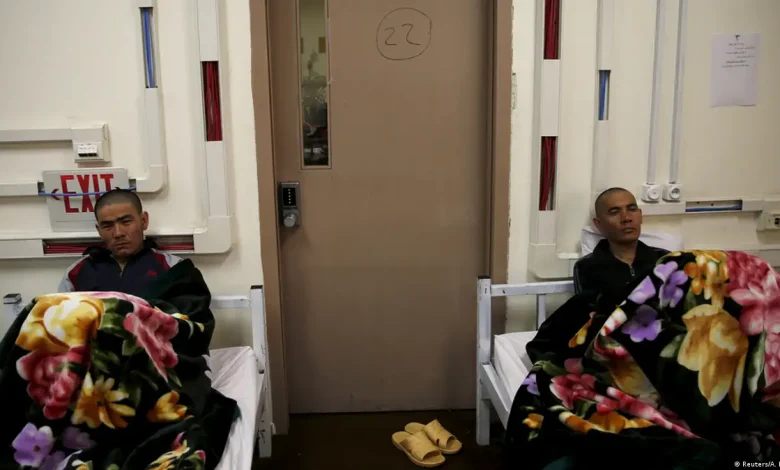
The United Nations Special Fund has reported in its annual report that in less than five years, approximately 80 percent of addiction treatment centers in Afghanistan have ceased operations due to budget cuts, shortages of medicine, diagnostic services, and qualified staff. This situation has severely limited access to treatment services for thousands suffering from substance use disorders.
According to the report, before the political changes of 2021 and the fall of the previous government, 92 addiction treatment centers were operational nationwide, including nine centers specifically serving women and children. However, following the drastic reduction of international aid after the Taliban took control, most of these centers closed down, shrinking the addiction treatment network to an unprecedented extent.
The United Nations has warned that the closure of these centers has exacerbated Afghanistan’s long-standing drug crisis. Based on the most recent nationwide survey conducted in 2015, between 2.5 and 2.9 million people tested positive for drug use, demonstrating a long-standing need for extensive treatment services.
The report also expresses concern about the rising use of synthetic drugs, especially methamphetamine, or “glass,” among young people. Experts believe the spread of such substances could complicate and increase the cost of treatment and rehabilitation.
Another section of the report addresses the Taliban’s mandatory detoxification methods, raising concerns over their effectiveness. The report states that forced treatment is not only ineffective but is associated with high relapse rates and does not comply with human rights standards, calling for a serious reevaluation of current approaches.
Amid these circumstances, a $3.1 million project, supported by the United Nations, has been providing prevention, treatment, rehabilitation, and harm reduction services in the provinces of Ghazni, Paktia, Paktika, Khost, and Logar. This program, operational from June 2024 to December 2025 in coordination with the UN Office on Drugs and Crime and four other organizations, has supported four residential treatment centers, four outpatient centers, and two day-care centers.
Since its inception, the program has served nearly 49,000 individuals, with over 37,000 receiving support in 2025 alone. Additionally, in March 2025, the first dedicated women’s addiction treatment center in southeastern Afghanistan was established in Ghazni province, providing residential treatment, psychological and social support, and follow-up care to more than 2,300 clients.
Nevertheless, women continue to face significant obstacles in accessing treatment services. The report highlights that Taliban-imposed restrictions on women’s mobility and employment have hampered both receiving and delivering treatment services. Furthermore, limitations on women working within the United Nations and non-governmental organizations have resulted in some activities being conducted remotely or adapted specifically for women.
The program also addresses economic factors to reduce the risk of relapse. According to the report, 625 people in Ghazni, Khost, and Logar provinces received livelihood support after completing treatment, engaging in poultry farming, livestock rearing, vegetable production, tailoring, and small businesses.
Moreover, 3,143 individuals received post-treatment care and follow-up services, with 80 percent remaining drug-free one year after completing treatment. Additionally, 110 people completed vocational training, and 175 others participated in entrepreneurship programs.
Despite these achievements, shortages of facilities persist. The United Nations noted that the addiction treatment center in Khost is overcrowded, and other centers face serious deficiencies in rooms, toilets, and protective walls—challenges underscoring that Afghanistan’s response to the drug addiction crisis still falls far short of the population’s real needs.