World Bank: Reforming Food Systems Key to Afghanistan’s Food Security
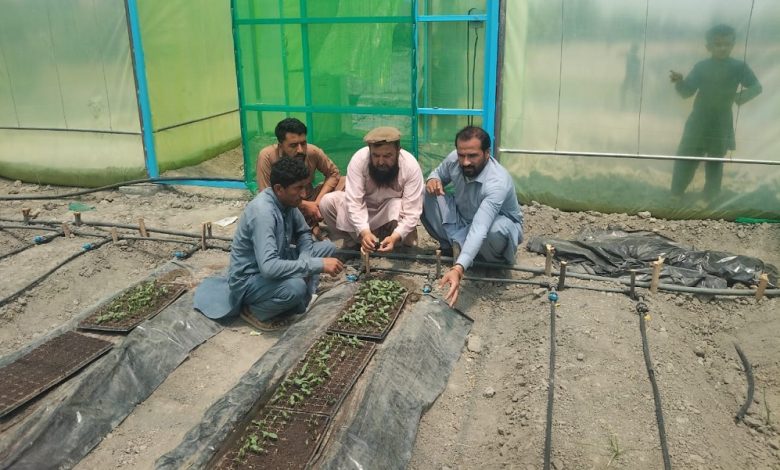
The World Bank has emphasized in a recent report that transforming and modernizing food and agricultural systems can significantly improve food security in Afghanistan, create job opportunities, and strengthen the country’s economic resilience. The institution states that without structural reforms in the food supply chain, achieving sustainable stability in the food sector will not be possible.
The report notes that Afghanistan, along with Pakistan, the Middle East, and North Africa, faces serious challenges such as climate change, water scarcity, conflicts, and rising malnutrition. According to this assessment, currently, one in every six people in this region does not have access to sufficient and reliable food, and 42 percent of the population cannot afford a healthy diet. It is also predicted that demand for food will increase by 67 percent by the year 2050.
The World Bank has warned that pressures from climate change, shrinking water resources, and ongoing instability have exacerbated food insecurity and severely impacted the agricultural sector. Afghanistan, where a large portion of the population is engaged in agriculture in rural areas, is deeply affected by this situation.
The report stresses that merely increasing on-farm production is insufficient; the entire food chain—from production to processing, storage, transportation, and distribution—needs reform. Strengthening supply chains, reducing food waste, improving storage systems, and investing in climate-resilient agriculture are among the measures that can enhance stability.
The World Bank added that food and agricultural systems are already key pillars of the regional economy, providing millions of jobs in sectors such as farming, transport, processing, and food services. According to the institution, targeted reforms in this sector can help reduce poverty, improve nutrition, and create employment opportunities, especially for youth and rural inhabitants.
Meanwhile, within Afghanistan, the economic crisis and existing restrictions under Taliban rule have challenged investment capacity and effective management in the agricultural sector; an issue experts say requires transparent policymaking, support for farmers, and the mobilization of international cooperation.