WHO Sees Potential to Eradicate Polio in Afghanistan Within 12 Months
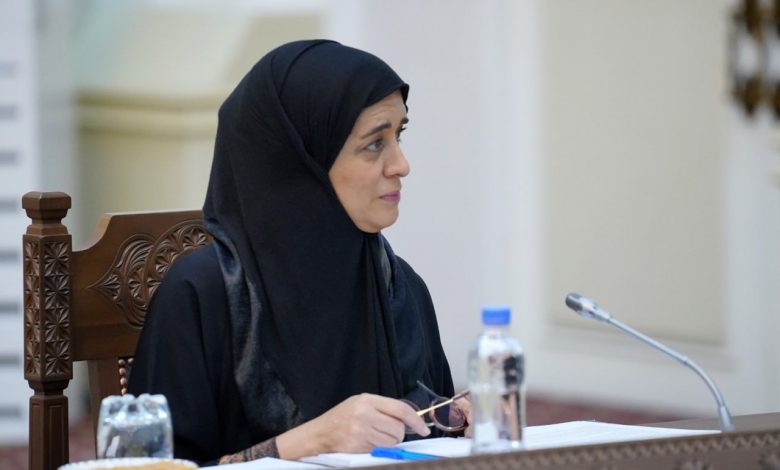
The regional office chief of the World Health Organization (WHO) for the Eastern Mediterranean has stated that with enhanced coordination, there is a possibility of completely eradicating the polio virus in Afghanistan within the next 12 months. These remarks were made during a meeting between Dr. Hanan Hassan Balkhi and Abdul Salam Hanifi, the administrative deputy of the Taliban government’s prime minister.
According to a statement from the Prime Minister’s office, the meeting took place today, Sunday, 14 Saratan (July 5). Ms. Balkhi noted that significant progress has been made in the fight against polio eradication, but further attention and cooperation are crucial to achieving the ultimate goal.
The statement added that the WHO official emphasized the importance of security guarantees from the Taliban administration to effectively implement polio vaccination campaigns. However, prior to the Taliban’s return to power, certain southern and eastern regions of the country faced restrictions and barriers to vaccination efforts, which posed challenges for combating the disease—an ongoing concern for health organizations.
According to WHO statistics, six human cases and 34 environmental cases of polio have been recorded in Afghanistan this year. In 2025, a total of 21 human and 94 environmental polio cases were reported.
Currently, Afghanistan and Pakistan are the only countries where the poliovirus has not been completely eradicated. Statistics show that this year Pakistan has reported three human and 90 environmental cases of polio.
Polio is a contagious viral disease that primarily affects children under five years old and is transmitted through contaminated water, food, or close contact. The disease can cause permanent paralysis or even death. While there is no specific cure for polio, safe and effective vaccines can prevent infection.