Traditional Salt Purification Devastates Farmland in Takhar’s Namak Ab District
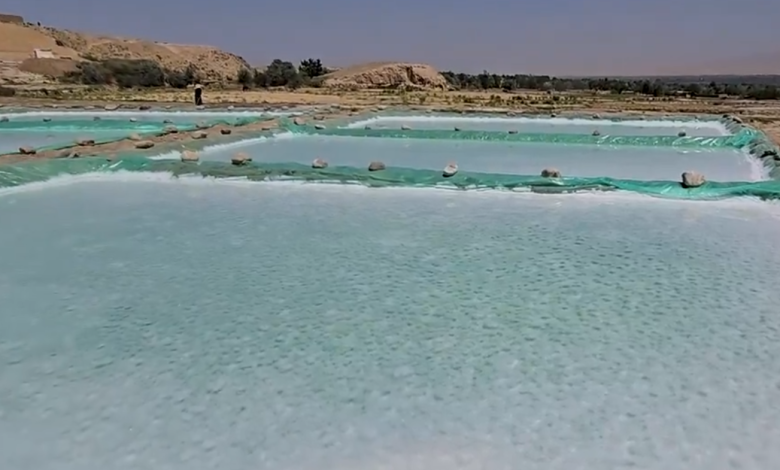
Several farmers in Namak Ab district of Takhar province say that the continuation of traditional salt purification methods has caused severe financial losses and a significant decline in agricultural yields in the district. According to them, parts of the farmland along the river have now been damaged, with some areas rendered completely barren.
Local residents add that due to the absence of standard factories and modern salt processing systems, the extraction and purification of this mineral continue to be carried out using primitive methods. They warn that the continuation of this practice not only threatens the local environment but also endangers the livelihoods of dozens of farming families.
Farmers believe that the wastewater and residues resulting from traditional salt purification have entered farmlands and water sources, reducing soil quality. This situation persists while many residents of this district depend on agriculture, and the decrease in crops has increased their economic hardship.
Agricultural experts consistently emphasize that using non-standard methods in mineral extraction and processing can have long-term environmental consequences. However, farmers in Namak Ab claim that the Taliban administration has so far taken no effective action to establish standard factories or to prevent damage caused by this process—a matter that, according to them, requires immediate attention and intervention.