China Takes Exclusive Lead on Afghanistan File at UN Security Council
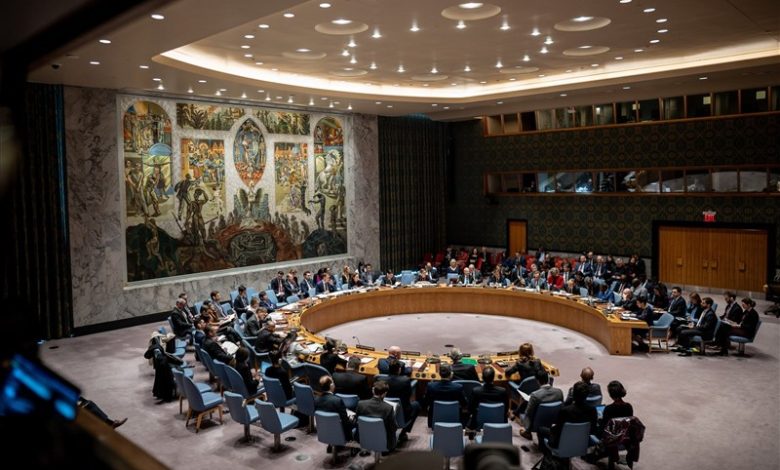
After several months of negotiations, China has taken exclusive responsibility for overseeing the Afghanistan file at the United Nations Security Council, a key position that includes directing negotiations, drafting resolutions, and managing decision-making processes regarding Afghanistan.
This process began in 2025 and ultimately, with the agreement of Security Council members, China was assigned the primary role of managing the file. In the Security Council’s working structure, the ‘penholder’ is one of the most important informal mechanisms determining which country is responsible for drafting documents, coordinating emergency meetings, organizing field visits, and presenting initial positions in both formal and informal sessions. This role significantly influences the direction of the Council’s decisions.
In past years, especially since the late 2000s, most country-specific files in the Security Council were managed by France, the United Kingdom, and the United States (the P3). In that arrangement, drafts were first coordinated among these three countries, then with China and Russia, before being presented to the elected members of the Council. This method was criticized by some elected members who felt their role in the early stages of document drafting was limited.
Regarding Afghanistan, Japan held the penholder responsibility until the end of 2024. With the conclusion of Japan’s membership in the Security Council, a competition began to determine its successor, with China, Pakistan, and South Korea expressing their readiness. China proposed a joint model involving Pakistan and South Korea; Pakistan agreed, but South Korea requested more time to decide. Simultaneously, the United States expressed concerns about transferring this responsibility to China.
In February 2025, China and Pakistan submitted a draft resolution to extend the mandate of the United Nations Assistance Mission in Afghanistan (UNAMA). In response, the United States and South Korea presented a separate draft. Ultimately, the Security Council agreed that China, during its presidency of the Council, would lead negotiations and integrate drafts.
The final text was reviewed with the participation of all 15 Council members as the ‘presidential text,’ and after continued negotiations in the following months, China’s role in managing the file was confirmed. Despite this development, the United States has retained penholder responsibility over Afghanistan-related sanctions within the framework of Security Council Committee 1988.
The Afghanistan file at the Security Council mainly focuses on UNAMA’s mission and the country’s political and security developments, including the international community’s engagement with the Taliban administration—a subject that remains a central topic of international debate.