121 Afghan Nationals Reside at UK’s Casford Airbase Amid Resettlement Concerns
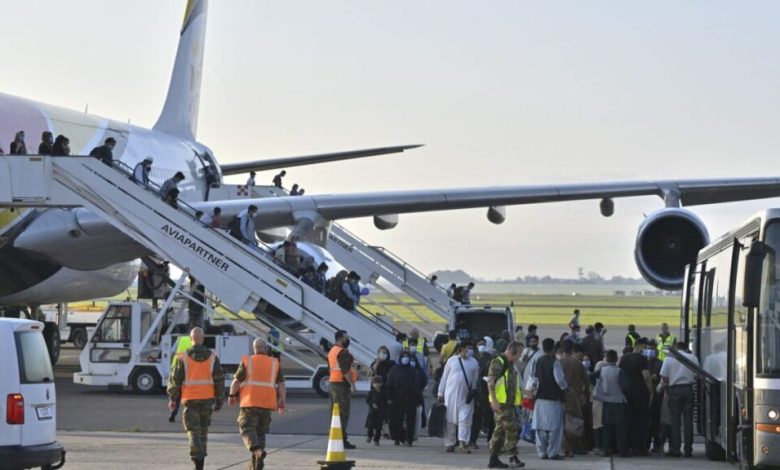
British media report that currently 121 Afghan citizens are living at the Casford Airbase, which is part of the Royal Air Force in the UK. This figure was confirmed by James Owen, a council member and head of housing and recreation, during an official meeting of the Shropshire Council.
According to Owen, 24 Afghan families reside in the base’s family service accommodation, comprising 52 adults and 71 children. These families have been relocated there under the UK government’s resettlement program.
The issue gained attention after Elizabeth Barker, a Shropshire Council member from the Reform UK party, expressed concerns over the lack of transparency in information provided to local residents. She stated that at a meeting titled “Social Cohesion” held on April 23 in Albrighton, no clear answers regarding the exact number of people and duration of their stay were given.
Barker also mentioned that local residents have been receiving conflicting information about the future housing plans for these families. She urged Shropshire Council to clarify whether those housed at Casford might face homelessness in the future and how long they are expected to remain at the base.
In response, James Owen emphasized that the UK Home Office is responsible for the Afghan resettlement program, not the Shropshire Council. He explained that the council’s resettlement team works with the families to secure alternative accommodation before their three-year stay ends to prevent homelessness.
Owen added that the first group of families is expected to leave Casford by November 2026. Furthermore, he clarified that the costs of this program are not covered by Shropshire Council’s budget but funded through special grants from the central UK government designated for Afghan resettlement.
Following this, Barker requested clarification regarding reports that some local residents were told that no new resettlements would take place at Casford in the future. Owen responded that it needed to be clear who made such statements and added, “Since we do not know who might arrive in the future, no one should have been making such claims.”