UN Launches $529 Million Plan to Support Returning Afghan Migrants in 2026
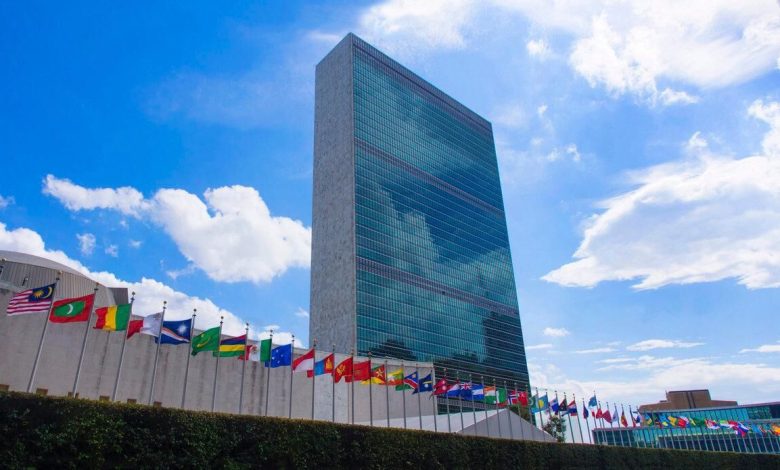
The United Nations, in collaboration with non-governmental organizations, has launched a $529 million plan to address the wave of returnees from Iran and Pakistan in 2026. Introduced on Tuesday, May 19, in Kabul, the program targets approximately 2.7 million people projected to return to Afghanistan by the end of this December.
The Office of the UN Assistance Mission in Afghanistan (UNAMA) stated that the plan covers aid efforts from border entry points through to reintegration into host communities. According to the data provided, since the beginning of this year, 600,000 migrants have returned to the country, with an expected additional 1.7 million from Iran and 1.1 million from Pakistan arriving over the next eight months.
Tajuddin Awila, acting head of the UN Office for the Coordination of Humanitarian Affairs in Afghanistan, described the large-scale migrant return as a profound demographic and developmental challenge, emphasizing that this situation requires a sustainable response and full funding. He noted that over half of the returnees are women and children, many of whom were born and raised abroad and have limited ties to their original areas.
He warned that without immediate investment in livelihoods, housing, sanitation, health, and protection services, there is a serious risk of secondary displacement, increased poverty, and escalated social tensions. These concerns arise amid host areas already struggling with drought, food insecurity, and internal displacement.
Under the plan, $100.7 million is allocated for border response efforts, to be managed by a border consortium led by the International Organization for Migration. Funding will be spent on health, nutrition, protection, sanitation, transportation, and cash assistance. However, officials say this budget will cover only about 40% of the most vulnerable returnees, while 70% meet vulnerability criteria.
Additionally, $428.5 million has been earmarked for reintegration in 35 priority districts. These districts were selected based on vulnerability indices, anticipated returnee density, drought severity, and levels of internal displacement. This phase focuses on restoring essential services such as education, health, water, and sanitation, creating sustainable economic opportunities, and securing housing and land rights.
Tamindri DeSilva, head of Vision International’s Afghanistan office, said at the program launch that the needs are extensive, and any funding gaps at the borders directly affect agencies’ ability to reduce risks and support sustainable reintegration.
The UN and partner organizations have called on donor countries to fully fund the program to prevent a worsening humanitarian crisis. Meanwhile, the Taliban administration is responsible for sheltering, providing services, and creating job opportunities for millions of new arrivals—a responsibility that, without transparent planning and broad cooperation with aid agencies, will face significant challenges.
According to UN statistics, since September 2023, approximately 5.9 million migrants have returned to Afghanistan from Iran and Pakistan — a trend that has placed unprecedented pressure on the country’s infrastructure and local communities.