One-Day Workshop on Effective Medical Waste Management Held in Kabul
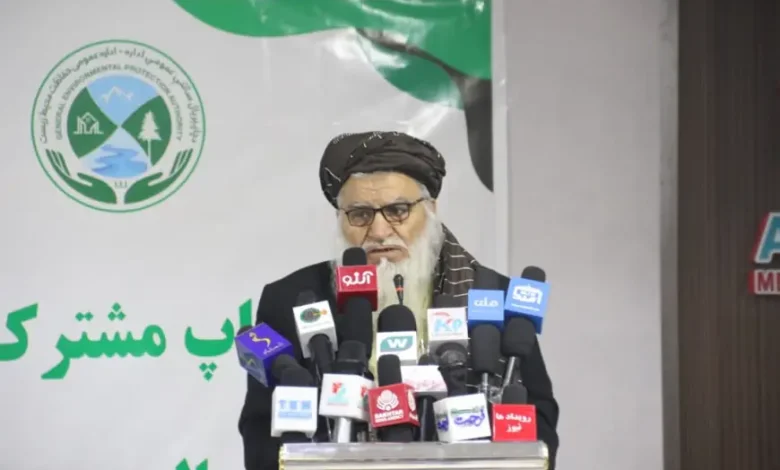
The Environmental Protection Agency, in collaboration with the Ministry of Public Health and the medical waste management service company “Clean Path,” held a one-day workshop titled “Effective Medical Waste Management” for dozens of doctors and health workers in Kabul. The aim of the program was to raise awareness about the safe management of medical waste, environmental protection, and to strengthen coordination among responsible institutions.
According to Bakhtar agency, Mawlawi Mati ul-Haq Khalis, head of the Environmental Protection Agency, warned at the start of the workshop that improper management of medical waste can pose serious threats to water, soil, the environment, and human health. He emphasized that joint cooperation among health centers, the private sector, and responsible offices is essential to implement healthy and standard criteria in this vital sector.
The head of the Environmental Protection Agency added that orderly management of medical waste is not the responsibility of a single office but rather a shared human obligation. He called on Kabul Municipality and the Ministry of Public Health to pay greater attention and supervision to the collection, transportation, segregation, and safe disposal of medical waste.
According to him, focusing on prevention before treatment is fundamentally important, and neglecting medical waste management can facilitate the spread of various diseases. He urged all governmental institutions, health centers, the private sector, and citizens to cooperate in preserving a healthy environment for future generations.
Subsequently, officials gave presentations on the legal and environmental foundations of medical waste management, professional and health criteria and measures, and the role of the private sector in this process. The current status of medical waste, methods of collection, transportation, segregation, safe disposal, and issues related to field monitoring and inspection were also shared with participants.
Several participants shared their experiences and suggestions and pledged to better fulfill their responsibilities in environmental protection. At the end, certificates were distributed to the attendees.