Kofi and Andisha React to Removal of Women’s Rights from Doha Agreement
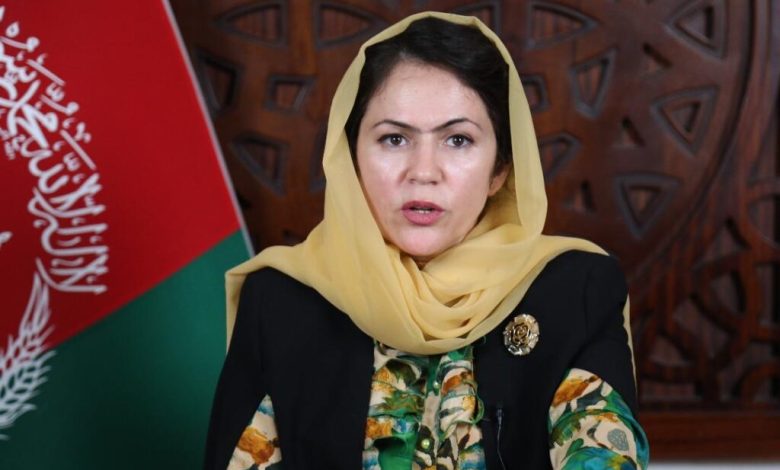
Fawzia Koofi, a former Afghan lawmaker, says the removal of practical guarantees for women’s fundamental rights from the Doha Agreement has paved the way for the Taliban administration to intensify restrictions on women and girls.
In a post on the social media platform X, Koofi criticised the Doha negotiators and said the absence of accountability mechanisms and guarantees for women’s rights in the text of the agreement had made the Taliban administration “more bold” in imposing restrictions. She also recalled that representatives of the group in earlier public meetings, including the Moscow meeting in February 2019, had said women could study up to doctorate level and work in government positions. But, she said, no enforceable guarantee for these rights was included in the Doha deal.
At the same time, Naseer Ahmad Andisha, Afghanistan’s permanent representative to the UN office in Geneva, said in reference to recent remarks by Shahabuddin Delawar that they once again showed the Taliban administration is bound by “no principle” and by no “national or international political commitment,” and that it sees peace talks as a tool for the “complete monopoly of power.”
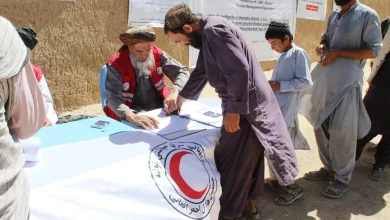
These reactions came after Shahabuddin Delawar, head of the Red Crescent Society and a senior member of the Taliban delegation in Qatar, told the media that in the Doha Agreement between the group and the United States, the word “woman” does not appear from beginning to end, and issues related to human rights and the future political structure were not included. He said no official commitment had been made in this regard.
The Doha Agreement was signed in March 2020 between the United States and the Taliban group, with the main focus on the withdrawal of American forces. In later years, critics have repeatedly said the agreement’s focus on security and its failure to include enforceable guarantees for human rights and an inclusive political structure were key factors in making women’s rights and civil institutions in Afghanistan vulnerable.