Afghans top asylum applicants in Europe, EU agency says
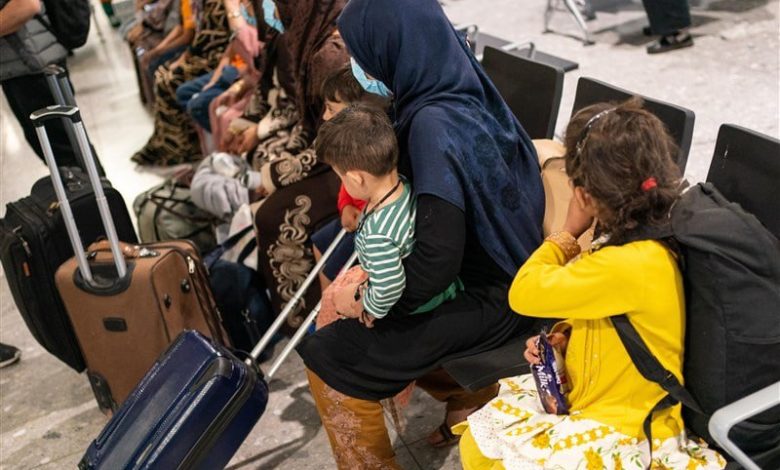
A formal report by the European Union Agency for Asylum shows that Afghan nationals were the leading asylum seekers in the 27 EU member states, Norway and Switzerland in the first half of 2026, with 39,000 applications filed. Total asylum applications in those countries reached 332,000.
According to the report, the overall number of asylum applications in the first half of this year fell by 17% compared with the same period last year, but applications from Afghan nationals declined by only 7%. That difference has increased the share of Afghans among all asylum applicants.
Germany remains the main destination for Afghan nationals in Europe. According to the figures, 51% of all applications filed by Afghans, equivalent to about 20,000 cases, were submitted in Germany.
Among destination countries, France ranks first with nearly 69,000 applications. Italy follows with 66,000 and Spain with 55,000 applications, while Germany, with 54,000 applications, was fourth in terms of total registered cases.
The report also shows that in the 12 months to June 2026, asylum applications by Afghan nationals in Germany rose from 30,000 to 68,000, more than doubling. Most of this increase has been linked to repeat applications by Afghan women.
This development gained prominence after a ruling by the Court of Justice of the European Union in October 2024, which said the Taliban administration’s restrictions on women amounted to persecution. This has played a role in the rise in cases involving Afghan women.
In terms of acceptance, the success rate for Afghan cases was far higher than the overall average. While the average approval rate for asylum applications in Europe was reported at about 31%, the figure for Afghan nationals stands at 73%.
In Germany, 79% of the 36,000 Afghan cases reviewed resulted in a positive outcome. In France and Greece, 69% of Afghan applications were accepted, while in Switzerland the figure was 64%.
The EU Agency for Asylum is the coordinating body for cooperation among European countries in the asylum field, and its statistics are usually used as a basis for assessing migration and international protection trends in Europe.