Afghanistan’s Taliban Official Says Opium Cultivation Ban Will Strengthen Country’s Global Standing
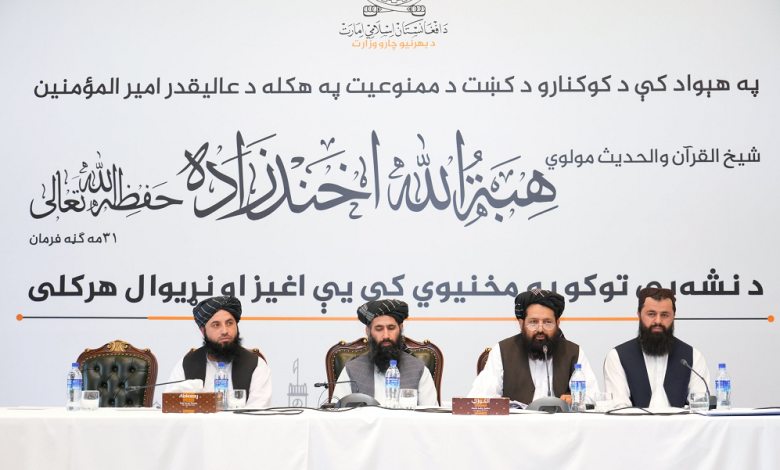
Mohammad Naeem, Deputy Minister of Finance and Administration at Afghanistan’s Taliban-run Ministry of Foreign Affairs, stated that banning opium poppy cultivation could lead to improved public health, enhanced security, and increased international credibility for Afghanistan. He also claimed that full implementation of this decree would play a significant role in the country’s development and the reinforcement of the rule of law.
According to a statement released by the Taliban Foreign Ministry, these remarks were made at a meeting organized by the Ministry’s Directorate of Guidance and Invitation to explain the decree banning opium cultivation. Several officials and employees of the Foreign Ministry, along with some religious scholars, attended the meeting.
The Ministry announced that the gathering discussed the objectives, legal and social dimensions of the opium cultivation ban, the extent of international support for it, and policies related to combating narcotics. Emphasis was placed on preventing the cultivation, production, trafficking, and consumption of drugs as the central pillars of this policy.
Mohammad Naeem described the fight against drugs as a shared responsibility between government agencies and citizens. He urged the public to cooperate in raising awareness and protecting society, especially the youth, against the harms caused by narcotics.
This comes as the ban on opium cultivation in Afghanistan—one of the world’s largest opium producers—has had widespread economic and social impacts on farmers and residents of certain provinces. Despite the Taliban administration’s emphasis on the benefits of this policy, some domestic and international organizations have previously stressed the need to provide sustainable livelihood alternatives for farmers and manage the economic consequences of the ban.