UN Warns of Severe Threat to Women’s Services in Afghanistan Amid Funding Cuts
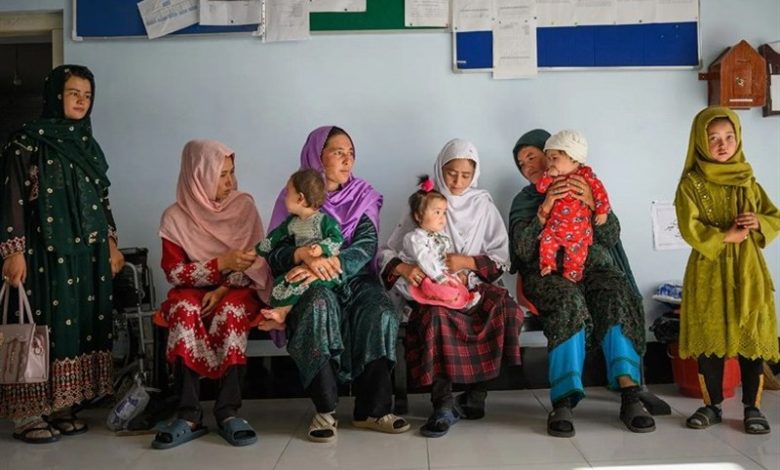
The United Nations has announced that the significant reduction in international aid has posed a serious threat to vital services for women and girls in Afghanistan. The UN’s Women’s Section has warned that organizations supporting women are losing their capacity to meet growing needs due to budget shortages.
A recent report titled “Beyond the Breaking Point” states that since the beginning of 2025, around one million women and girls in 52 crisis-affected countries, including Afghanistan, have lost access to essential services. According to the report, 84 percent of organizations working in the women’s sector face increased demand, yet nearly 90 percent have said that due to decreased financial resources, they can no longer cover all needs.
In Afghanistan, this situation unfolds as women and girls were already subject to extensive restrictions under Taliban rule in education, work, and social participation. The UN Women’s Section emphasized that the overlap of these restrictions with reduced foreign aid has deepened the crisis of women’s rights.
The report warns that continued reductions in financial support could jeopardize the operations of organizations providing assistance to vulnerable women, including healthcare, psychological counseling, education, and humanitarian aid. In many provinces, especially remote areas, these organizations are the sole means for women to access essential services.
Previously, the UN also warned that a lack of humanitarian funding has made delivering critical services in Afghanistan more difficult. Since the Taliban’s return to power in 2021, girls have been barred from secondary and higher education, and many women have been prohibited from working in various offices and institutions. This situation has increased their dependence on support services.
With humanitarian needs rising in the country, the reduction in global aid has placed extra pressure on relief organizations, with women and girls bearing the brunt of these impacts.