Closure of 572 Health Centers in Afghanistan Leaves 3.3 Million Without Medical Services
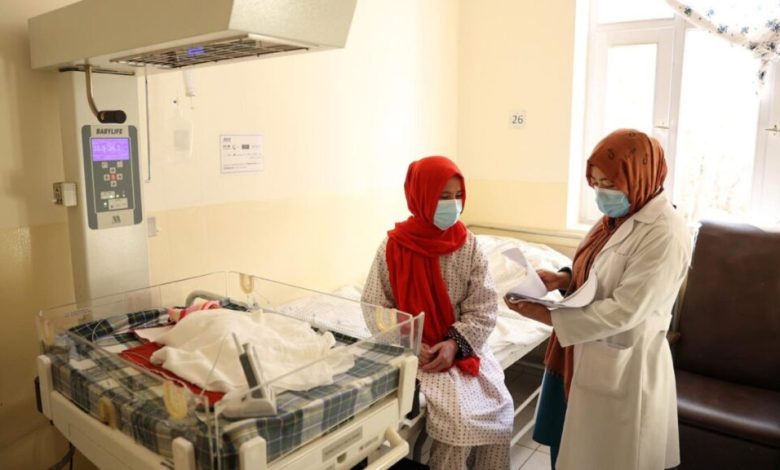
The World Health Organization (WHO) announced that since the beginning of 2025, 572 health centers in Afghanistan have either ceased operations or been completely closed, leaving 3.3 million people without access to healthcare services. This figure highlights the worsening crisis in the country’s health system.
According to one of the organization’s reports, in 2025 alone, 422 health centers were closed across 30 provinces, but the total number of closed centers has now risen to 572. This increase reflects ongoing financial shortages and the inability to maintain basic healthcare services in various regions.
Hanan Hassan Balkhi, WHO’s Regional Director for the Eastern Mediterranean who recently visited Afghanistan, stated that since the start of 2026, an additional 150 centers have been shut down due to budget shortfalls. She explained that this situation has led to reduced vaccination coverage for children, limited access for mothers to healthcare, and increased difficulties for patients seeking medical treatment.
She emphasized that out of the $190.8 million budget required to meet health needs in 2026, only 17 percent had been funded by June. According to her, the health sector’s response continues to suffer from severe funding shortages.
The WHO report identifies the United States, the European Union, the Afghanistan Humanitarian Fund of the United Nations, the UN Central Emergency Response Fund, and other UN agencies as the largest donors to the health sector in Afghanistan. The report adds that the suspension of US aid and the reduction of support from some other donors have directly contributed to the closure of health centers, mobile health teams, and nutrition services.
While the Taliban administration has repeatedly spoken about improving public services, recent statistics indicate that the country’s health system is facing one of its most severe financial crises. If this situation persists, it could have far-reaching consequences for the health of the population, particularly women and children.