Kandahar Governor Calls on Turkey to Expand Assistance in Health, Agriculture, and Development Projects
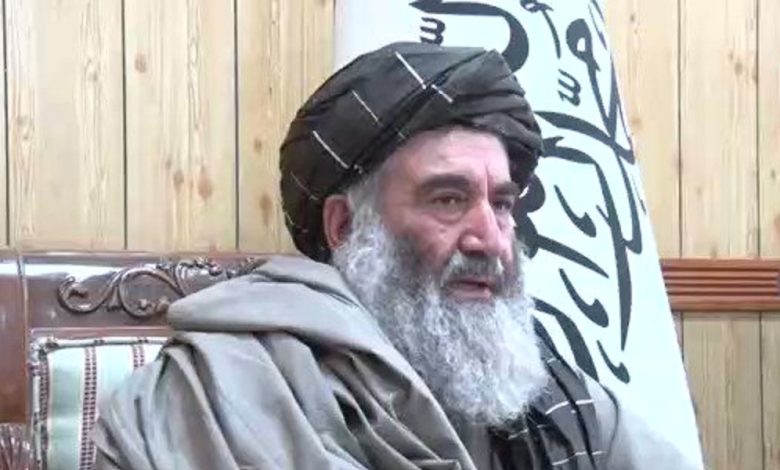
Mullah Mohammad Shirin Akhund, the governor of Kandahar, during a meeting with the chargé d’affaires of the Turkish Embassy in Afghanistan, urged the country to expand its cooperation in the fields of health, agriculture, and development projects, especially in Kandahar province. He emphasized that the basic needs of the people in these sectors remain unmet and expressed hope that Turkey will play a more active role.
According to a statement from the Kandahar governor’s office, Sadin Ay Yildiz, Turkey’s chargé d’affaires, met on Saturday with local Taliban officials during his official visit to the province. This visit comes amid widespread complaints from residents of many areas in Kandahar about shortages in healthcare services and infrastructure.
The governor of Kandahar appreciated Turkey’s previous support, describing the country as a close friend of Afghanistan with religious, cultural, and historical ties. He expressed hope that bilateral relations would be further strengthened. He called on Turkey to increase cooperation in building clinics in districts and remote areas, supplying medicines and medical equipment, and equipping the Mirwais regional hospital and the 350-bed Aino Mina hospital.
Mullah Mohammad Shirin Akhund also stressed the importance of organizing training programs for doctors and healthcare workers, expanding cooperation in agriculture and livestock sectors by transferring Turkish expertise, and facilitating visa issuance for Afghan patients and traders. He requested support for constructing schools, clinics, and water supply networks in special townships for newly returned refugees.
The statement noted that the Turkish chargé d’affaires praised the security situation and reconstruction progress in Afghanistan and said his country has strived to stand alongside the Afghan people and cooperate in necessary sectors. However, experts believe that the continuation of these collaborations requires transparent planning, effective management, and accountability from the Taliban administration to the real needs of the people so that aid effectively reaches those in need.