EU Warns Pakistan-Taliban Conflict Could Heighten Regional Instability
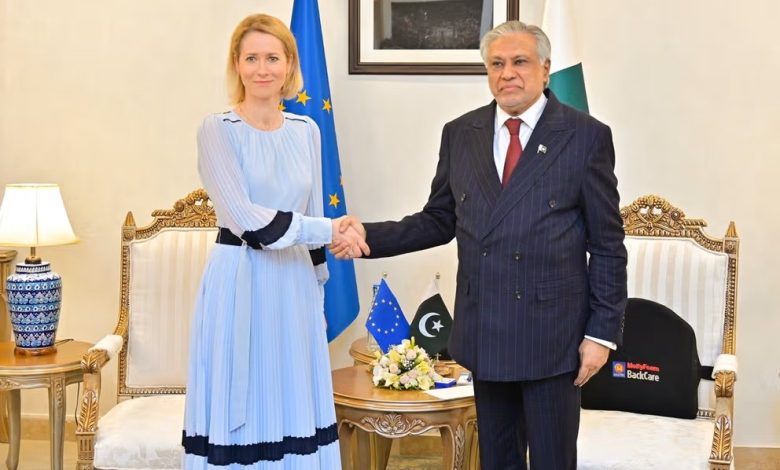
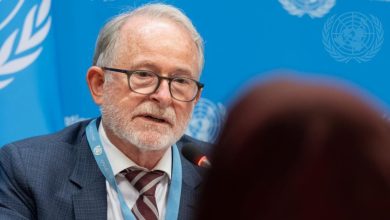
Kaja Kallas, the European Union’s foreign policy chief, has warned that the recent clashes between Pakistan and the Taliban carry serious humanitarian consequences and could lead to increased instability and extremism in the region. Speaking on June 1 at a joint press conference with Pakistan’s Foreign Minister Ishaq Dar in Islamabad, she emphasized that the continuation of this situation benefits neither side.
Kallas stated that the EU has consistently urged both parties to exercise restraint and de-escalate tensions. While acknowledging Pakistan’s right to defend itself and its citizens under international law, she stressed that “dialogue, not airstrikes,” is the best way to resolve the current crisis.
Pakistan’s Foreign Minister also said during the meeting that he had held extensive talks with the EU’s top diplomat on regional and global issues, including South Asia’s security situation, Afghanistan, and developments in the Middle East. He also mentioned discussions regarding the tensions between the United States and Iran.
The EU’s foreign policy chief described Pakistan as an important regional power and a key partner for Brussels and praised the country’s diplomatic role in reducing regional tensions. According to her, Islamabad’s mediation efforts at critical moments have prevented the escalation of conflicts.
Border clashes between Pakistan and the Taliban have intensified since October last year, following disagreements over the activities of the Tehrik-i-Taliban Pakistan (TTP). Pakistani officials claim that this group plans and executes attacks from Afghan territory — a claim the Taliban leadership denies, viewing it as an internal matter for Pakistan.
However, the ongoing presence of armed groups along the border and the absence of a clear mechanism to control them have heightened concerns about the Taliban administration’s role and responsibility in regional security. Observers believe that if not properly managed, this issue could have wider repercussions for Afghanistan and its neighbors.