Call on Canada to Accelerate Resettlement of Afghan Journalists
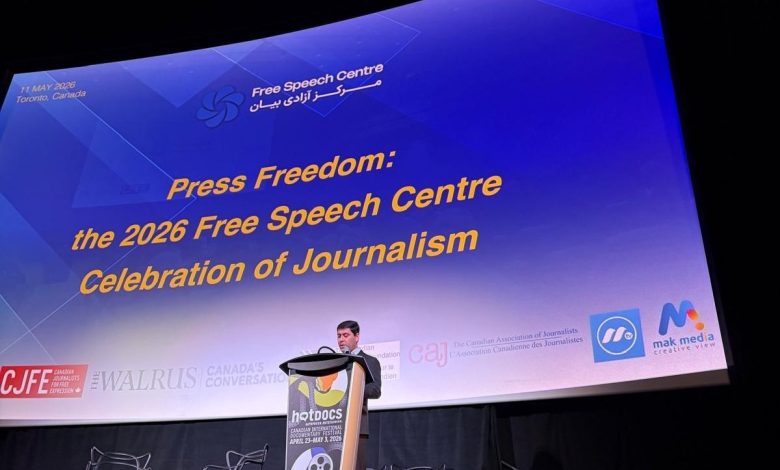
The third annual meeting of the “Center for Freedom of Expression,” focusing on the situation of exiled journalists, especially those from Afghanistan, was held in Toronto, Canada. The session emphasized increasing international support and speeding up the resettlement process for Afghan journalists.
The center announced on Wednesday, May 13, that the event was organized in honor of World Press Freedom Day and was attended by around 300 exiled journalists, media activists, and academic and political figures. According to the statement, journalists from more than forty countries across Asia, Europe, the Middle East, Africa, and South America participated in the meeting.
Najib Asil, founder and director of the Center for Freedom of Expression, said in his speech that exiled journalists face extensive livelihood and professional challenges. Despite many having years of work experience and higher education in journalism, they struggle to find media-related jobs in host countries. He added that over the past three years, the center has built a network of exiled journalists and media activists connecting hundreds of journalists worldwide.
Liz Doost, BBC senior international correspondent and author of “The Best Hotel in Kabul: A People’s History of Afghanistan,” was the special guest at the meeting. She praised the role of Afghan journalists in exile for documenting the country’s events and developments and emphasized that their voices remain vital for narrating the realities of Afghanistan.
Najib Asil also urged the Canadian government to increase its cooperation in the resettlement of Afghan journalists currently residing in Pakistan and Turkey. According to him, many of these journalists were forced to leave Afghanistan due to security threats following the Taliban’s return to power.
Since the Taliban regained control of Afghanistan, widespread restrictions on media activities and pressure on journalists have caused numerous media professionals to flee the country. This ongoing trend continues to have serious consequences for freedom of expression and the public’s access to information within Afghanistan.