UNAMA Reports Ongoing Detentions and Killings of Former Afghan Military Personnel
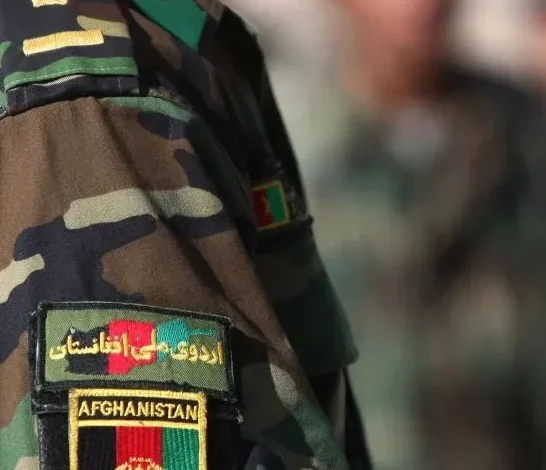
The United Nations Assistance Mission in Afghanistan (UNAMA) has reported in its first-quarter 2026 report that the detention, torture, and killing of former Afghan military personnel continue. According to the report, at least 23 cases of arbitrary detention, 9 cases of torture, and 5 killings of former servicemen have been documented during this period.
The report states that several former government officials and former members of Afghanistan’s national security and defense forces are being forcibly repatriated to the country, where they face risks of human rights violations. This occurs despite previous statements by the Taliban administration promising a general amnesty, with UNAMA’s findings indicating that violations persist.
Another section of the report focuses on the state of media freedom. UNAMA notes increased restrictions on media operations and ongoing pressure on journalists and media staff. According to the report, the Taliban’s Ministry of Information and Culture revoked the operating licenses of all media support organizations except three in January 2026.
The report also mentions the detention of Mahdi Ansari, who was released in March 2026 after serving an 18-month sentence on charges of “propaganda against the Taliban.” However, three other media workers arrested in July 2025 remain in custody.
UNAMA further reports that two local media outlets were suspended by Taliban orders. The television channel “Rah-e Farda” was shut down after its head criticized military policies toward Pakistan. Additionally, the privately owned “Khushal” radio station in Ghazni province was temporarily suspended due to a live broadcast in which female students communicated by phone with a male host; this action has raised concerns over further media space restrictions.
Regarding religious freedoms, UNAMA writes that in at least eight provinces, Taliban officials have demanded that Shia communities celebrate Eid according to the timelines set by the administration rather than their own religious calendar. In one province, several Shia clerics were arrested for refusing to follow the announced dates.
Moreover, Taliban morality police in Kabul prevented women from entering a shrine during the Nowruz celebrations, and in Herat province, a Shia mosque was ordered to prohibit women from attending evening prayers.
UNAMA also highlights Taliban leader’s Decree Number 12, which designates Sunni Islam as the “dominant religion” and describes other religious beliefs as “innovations,” raising concerns about increasing religious restrictions and diminishing religious diversity in the country.