Afghanistan’s Exports to Pakistan Rise 50% in August
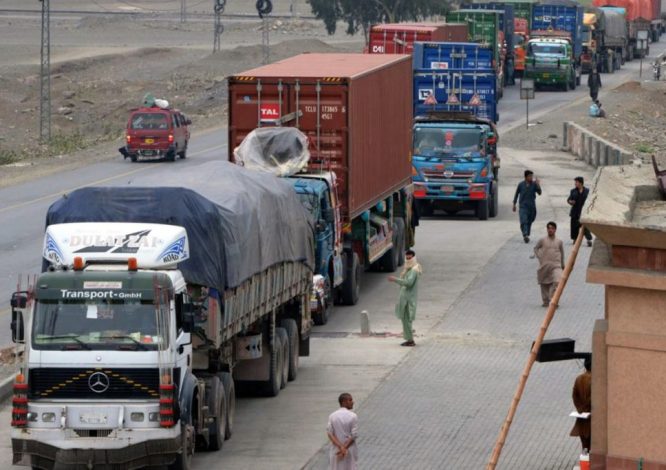
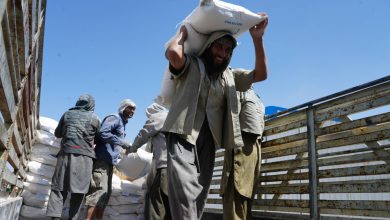
Afghanistan’s exports to Pakistan rose by 50% in August compared to the same month last year, according to a report by Pakistan’s Nation newspaper published on Tuesday, September 23.
The report noted that Afghan exports also grew by 16% compared to July. The value of exports reached $55 million in August, up from $37 million the previous month. The sharp increase was largely driven by higher apricot exports, although other goods such as onions, cotton, coal, and pharmaceuticals saw declines.
Meanwhile, Pakistan’s exports to Afghanistan fell during the same period. Pakistani sources reported that exports dropped from $102 million in July to $88 million in August, a 13% decrease.
Overall, bilateral trade between the two countries in August was valued at $143 million, reflecting the persistence of commercial ties despite ongoing political and economic challenges.
However, concerns remain over Afghanistan’s limited export stability and lack of diversification under Taliban rule. Declines in key commodities such as coal and medical supplies have raised questions about the country’s long-term economic outlook. Analysts argue that the absence of coherent development policies under the Taliban has weakened Afghanistan’s export capacity.