Green Trend Claims Rocket Attack on Paryan District Headquarters in Panjshir
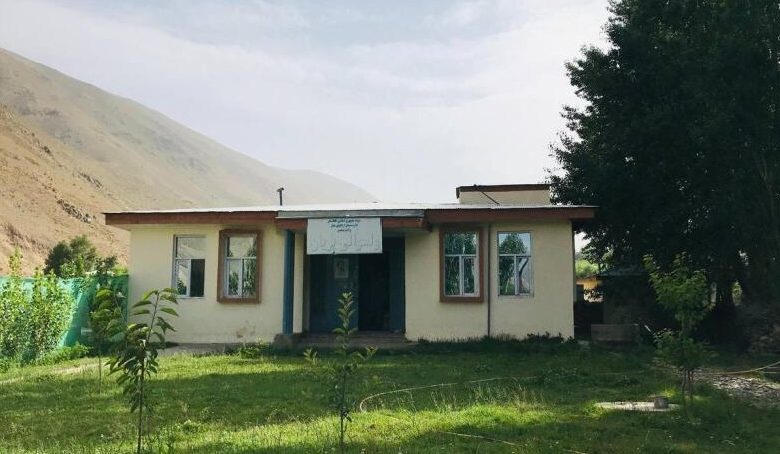
Local sources in Panjshir province have confirmed that the Paryan district headquarters building was targeted by a rocket attack past midnight on Sunday, July 12. According to these sources, the sound of an explosion was heard from the district center, but precise details on the extent of damage and possible casualties are not yet available.
The ‘Green Trend’ organization, led by Amrullah Saleh, the former Vice President, has claimed responsibility for the attack in a released statement. The statement noted that the ‘Green Unit’ forces affiliated with this movement targeted Paryan district center. The group added that they do not yet have additional information about the consequences of the attack.
Taliban local officials in Panjshir have not commented on the incident as of the time of this report. The lack of transparency in providing official information regarding security incidents has heightened concern among residents, a matter that has been repeatedly criticized in the past.
Previously, the Green Trend also claimed responsibility for a roadside bomb explosion targeting a Taliban Ranger vehicle in Panjshir. Panjshir province has witnessed sporadic security incidents over recent years.