WFP Warns Concurrent Crises Push Afghanistan Toward Deeper Hunger
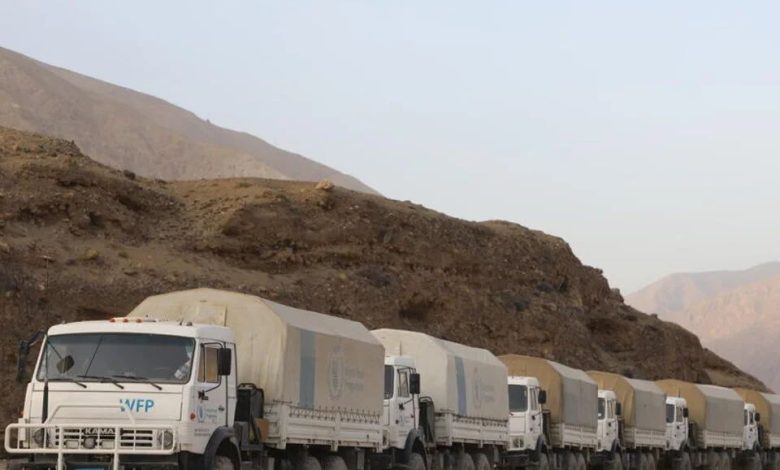
The World Food Programme (WFP) has stated that the closure of the Afghanistan-Pakistan border, coinciding with escalating conflicts in the region, has severely challenged the delivery of aid to those in need within Afghanistan. The agency warned that ongoing instability could drive millions in the country toward greater hunger.
In a statement released on Sunday, March 14, the agency said it is currently providing food assistance to more than 20,000 families displaced by clashes between Pakistani forces and Taliban-affiliated fighters. According to the WFP, many of these families were already struggling with economic hardships and the aftermath of recent earthquakes.
John Egliff, head of the WFP in Afghanistan, remarked that families previously facing unemployment and natural disaster damages are now directly exposed to conflict in border areas and face a serious risk of hunger. He emphasized that the intensification of insecurity in these areas has complicated the humanitarian situation.
The WFP added that despite the dangerous conditions, it has resumed operations across most border areas and plans to deliver food and cash assistance to vulnerable populations in eight provinces: Nuristan, Kunar, Nangarhar, Paktia, Khost, Paktika, Zabul, and Kandahar. These provinces, located in eastern and southeastern Afghanistan, have recently witnessed widespread insecurity and displacement.
The international agency also called on the global community to provide urgent aid to prevent the hunger crisis in Afghanistan from worsening. According to the WFP, the country is facing three simultaneous crises at the start of 2026: intensified clashes along the Afghanistan-Pakistan border, the impact of conflicts in Iran, and an unprecedented emergency of hunger and malnutrition.
The statement further noted that Iran’s recent ban on exports of certain food items and agricultural products has driven up prices in Afghan markets. As an import-dependent country, Afghanistan is vulnerable to such restrictions, and any disruption in trade routes increases pressure on low-income families.
While aid organizations have warned of the expanding crisis, the Taliban administration has yet to propose a clear and comprehensive strategy to address the humanitarian consequences of border conflicts and reduce the vulnerability of displaced families—raising concerns about the future humanitarian outlook in the country.