Taliban Leader Calls for Support, Omits Border Clashes with Pakistan in Eid Message
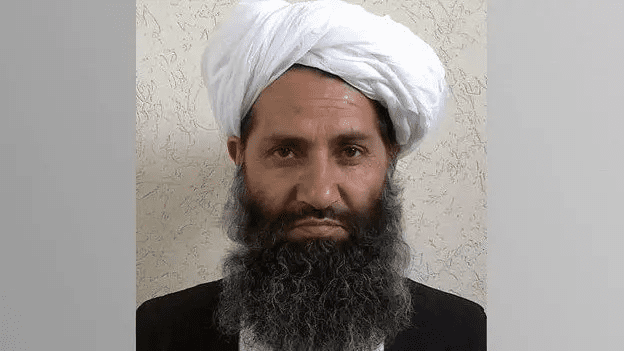
Hibatullah Akhundzada, the leader of the Taliban administration, in his Eid al-Fitr message released on Monday by Zabihullah Mujahid, emphasized support for the regime under his leadership, maintaining unity, and implementing the administration’s directives. However, he made no mention of the ongoing border clashes with Pakistan or the situation of women and girls’ rights.
In the message, Akhundzada congratulated the people of Afghanistan and Muslims worldwide on Eid and urged citizens to support Taliban officials to strengthen the administration and to avoid conflicts. He claimed that Afghanistan currently enjoys “complete security” and that people are in a better security situation than ever before.
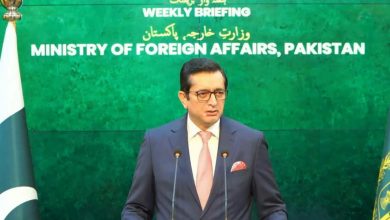
This comes amid continued border clashes in recent weeks between Taliban forces and Pakistan, with both sides accusing each other of killing civilians. According to a United Nations report, dozens of civilians in Afghanistan have been killed or injured due to these clashes, and tens of thousands have been displaced from border areas—contradicting the claim of complete security.
In his first message since tensions with Pakistan intensified, the Taliban leader only stressed “maintaining unity” without directly naming the clashes. His silence regarding the attacks and their consequences has drawn reactions from some political figures.
Akhundzada also called on other countries, without naming any specifically, to respect the “values and beliefs of the Afghan people” and refrain from interfering in Afghanistan’s internal affairs. He condemned wrongful actions against Muslims worldwide.
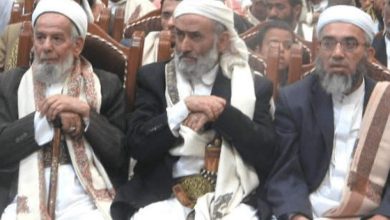
In another part of the message, the Taliban leader emphasized the full implementation of the administration’s directives, especially the laws of promoting virtue and preventing vice, urging clerics to cooperate with the Taliban administration in the “intellectual reform of youth.” He described the activities of the Ministry for the Promotion of Virtue and Prevention of Vice as part of the administration’s grand objectives.
However, the message made no reference to the situation of women and girls. This omission comes despite extensive restrictions over recent years on women’s education, work, and social presence, which have been central criticisms by the international community and human rights organizations against the Taliban administration. The absence of any mention of this issue in the Eid message raises renewed questions about the regime’s approach to the rights of half the country’s population.