Energy Expert Warns Closing of Strait of Hormuz Could Push US Debt to $40 Trillion
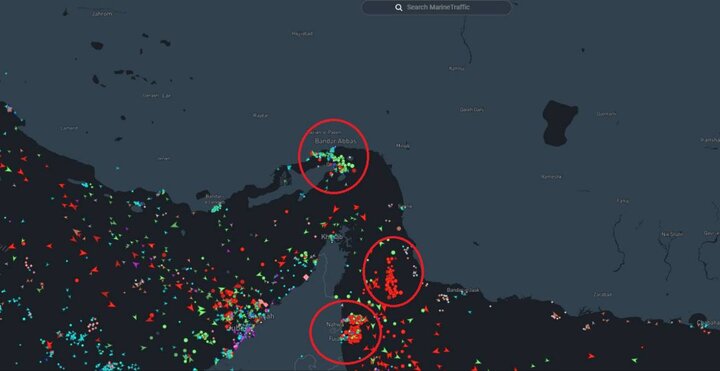
An international energy economist has warned that the continued closure of the Strait of Hormuz could increase the United States’ debt to $40.8 trillion by 2026 and exert significant pressure on the global economy.
Mamdouh Salameh, a professor of energy economics, told the website “Arabi21” that the ongoing halt of oil transit through this strategic passage would sharply raise the US budget deficit. According to him, in such circumstances, the federal government might resort to expanding dollar printing to cover the deficit; a move that could exacerbate financial inflation and whose consequences would be felt beyond the borders of the United States.
Salameh emphasized that despite the US’s position as the world’s largest oil producer, it would be among the most vulnerable actors if the Strait of Hormuz remains closed. He added that daily imports of about eight million barrels of oil mean the US cannot isolate itself from rising global oil prices.
The expert also noted that US President Donald Trump had previously pressured OPEC+ to increase production to keep oil prices between $49 and $60 per barrel; however, he said prices have now risen to about two to two and a half times that level.
Salameh further stated that if the US had the capability to reopen the Strait of Hormuz militarily, it would have done so at the outset; however, in his view, escorting oil tankers with warships could expose them to missile attacks from Iran.
He warned that the continuation of this situation could drag global economic growth into a recession. Rising industrial production costs, increasing food prices, and more expensive imported goods are among the consequences that, according to this expert, will affect the global economy.
He added that if the Strait of Hormuz remains closed for two months, economic losses could reach about $5 trillion. In addition, major oil-consuming countries would inevitably be forced to release their strategic reserves; a move that, although it might have limited impact on reducing prices, would undermine these countries’ energy security amid international tensions.