Europe Distances Itself from Washington, Seeks Engagement with Tehran Amid Middle East Conflict
Emmanuel Macron, the President of France, has stated that despite the death of a French soldier in attacks by Iran, France’s stance in the Middle East conflict will remain defensive. This clearly indicates that, at least for the time being, France does not intend to engage directly in the ongoing war alongside the US and Israel.
A similar position has been adopted by the German Chancellor, while Spain has taken a step further by cutting diplomatic ties with Israel.
Europe’s current reluctance to support the aggressive policies of the US and Israel appears to be influenced by two key factors, beyond legal considerations that deem these attacks illegitimate.
First, Iran has demonstrated significant military capability in countering the US and Israel. It is evident that if the conflict expands and Europe becomes involved, their own interests could face serious risks. Despite heavy censorship of war-related news by Arab countries, the US, and Israel, research centers analyzing satellite images and other data have revealed reports indicating extensive damage inflicted on Israel and some US bases.
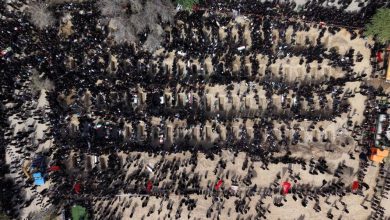
Had the US succeeded in sparking widespread unrest inside Iran concurrently with military strikes, it might have persuaded its European partners to join in. However, following the large-scale public demonstrations in Iran supporting the Islamic Republic, for Europe—already constrained in managing the Ukraine-Russia war—entering another conflict poses a significant risk, especially without a clear prospect of victory.
The second reason for Europe’s distancing from the US is Donald Trump’s unreliability.
Trump temporarily lifted sanctions on Russian oil sales for one month to control energy prices. Initial forecasts estimate that Russia could gain at least $15 billion in new revenue during this period.
Europeans believe that Trump lacks sufficient regard for European interests in pursuing his goals, and the influx of new oil revenues could bolster Russia’s position in the Ukraine conflict.
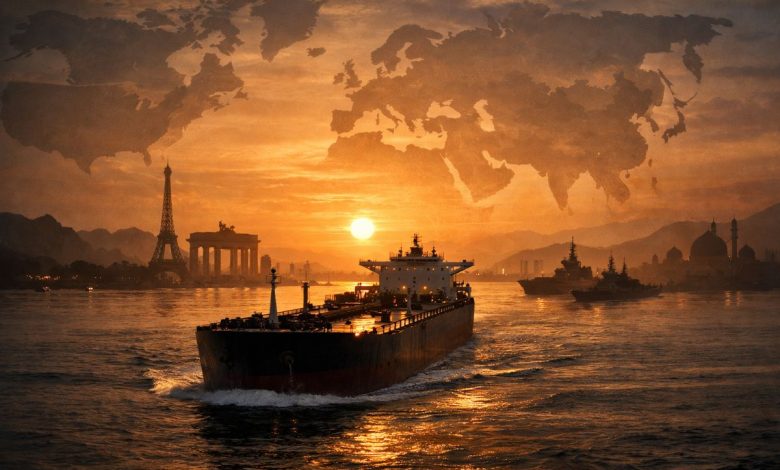
Possibly for this reason, France, after Turkey, has initiated negotiations with Iran to obtain permission for its ships to pass through the Strait of Hormuz.
This move signifies Europe’s lack of full confidence in the safe passage of ships escorted by the US military through the Strait. Without the previous level of trust in the US and lacking guarantees for complete traffic control in the Strait, Europe prefers to engage with Iran to secure its energy routes.
This war is reshaping regional dynamics and has the potential to elevate Iran’s position in international affairs. Europe would likely prefer engagement over costly confrontation with this regional power.
This developing situation could upgrade Iran from a regional power to a global power capable of imposing its demands even on Europe.
Seyed Ahmad Mousavi, Reporter