Ayatollah Seyyed Mojtaba Khamenei Issues First Official Message After Iran’s Leadership Appointment
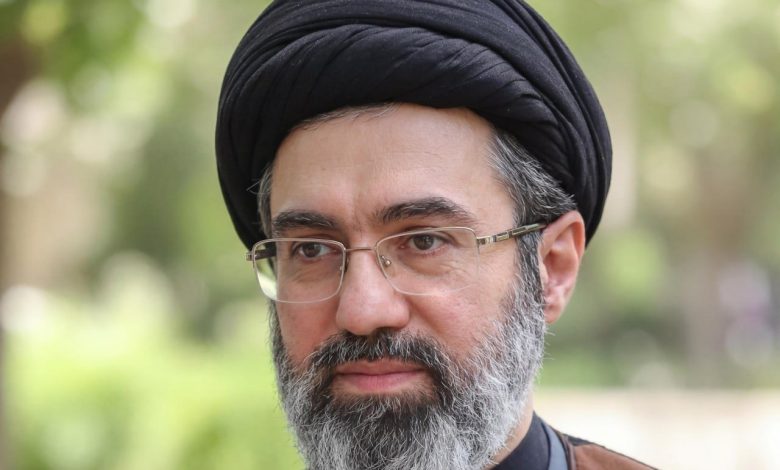
Ayatollah Seyyed Mojtaba Hosseini Khamenei delivered his first official written message to the Iranian people through national media following the announcement of the Assembly of Experts’ vote. He described accepting the leadership responsibility as a “difficult task.” He stated that he learned of the Assembly of Experts’ decision simultaneously with the public via television and has taken on this role after the martyrdom of the former Supreme Leader of the Islamic Republic of Iran.
At the beginning of his message, he extended condolences on the martyrdom of the previous leader and prayed to God for the well-being of the Iranian people and Muslims worldwide. He emphasized the significant historical status of the leadership position and acknowledged that assuming a role previously held by the founder of the Islamic Republic and then Ayatollah Ali Khamenei carries a heavy responsibility.
The new leader referred to the personal qualities and long-standing service record of the former leader, describing him as a figure with an extensive history of struggle and service. He asserted that continuing this path is possible only with God’s help and the support of the people and added that fulfilling this duty requires the nation’s backing.
A large portion of his address focused on the role of the people within Iran’s political system. He highlighted that one of the traits of previous leaders was enabling public participation across various arenas and relying on their presence. According to him, in recent days, the vigilance and involvement of the people have helped maintain the country’s stability and strength.
Ayatollah Khamenei, referring to religious principles, stressed that people’s participation is essential for the effectiveness of the leadership and other state institutions. Without such involvement, the organs cannot fulfill their responsibilities satisfactorily. He further emphasized trust in God and the preservation of unity among different social groups.
He concluded this part of his message by stating that preserving national cohesion and avoiding the highlighting of divisions are crucial for overcoming difficult circumstances. Unity, he said, can pave the way for greater progress and stability.
In the subsequent parts of his first official message, Ayatollah Seyyed Mojtaba Khamenei underlined the importance of continuing “effective defense” in the ongoing war, maintaining the social presence of the people, and utilizing measures such as the blockade of the Strait of Hormuz. He announced that considerations around opening new fronts in case the war persists are underway and will be conducted with regard to the “interests” involved.
He discussed the significance of the people’s broad involvement across social, political, cultural, and security fields, emphasizing that such participation must not harm social unity. He also highlighted the importance of participating in the Quds Day ceremonies of the year 1447, describing them as having an “enemy-defeating element.”
The Supreme Leader called on citizens to support one another under current circumstances and urged service organizations to assist those affected. He stated that adherence to these points would lead to “days of greatness,” potentially manifested in victory in the ongoing war.
He expressed gratitude towards Iran’s military forces for “blocking the enemy’s path” and emphasized that public demand is for continued defense. He affirmed that the use of the Strait of Hormuz blockade as leverage should persist and noted that studies regarding activating new fronts have been carried out.
He also praised groups known as the “Resistance Front,” including Yemen, Lebanon’s Hezbollah, and Iraqi resistance, describing them as an inseparable part of the Islamic Revolution’s values.
In another part of his message, the new Iranian leader expressed sympathy with the families of war martyrs and wounded individuals. He mentioned some members of his own family who, according to him, lost their lives in past events. He stressed that he will not waive “revenge” for the killing of citizens and said this issue remains on the agenda.
Ayatollah Khamenei specifically referred to an event related to a school in Minab, indicating its special significance in ongoing investigations. He also emphasized the provision of free medical services to the injured and compensation for financial damages to homes and businesses, labeling these responsibilities as obligations of the relevant executive authorities.
The third Supreme Leader of the Islamic Republic of Iran declared that the country will claim compensation for “enemy aggression.” If the opposing party refuses to pay, retaliatory measures will be taken. He added that if compensation is impossible, assets equivalent in value will be seized or destroyed.
Referring to Iran’s neighbors, he stressed that the country, which shares land and sea borders with 15 neighbors, has always sought warm and constructive relations. However, Ayatollah Khamenei noted that in recent years, military and financial bases have been established in several regional countries, which have been used in recent attacks. He asserted that Iran has targeted only those bases without crossing into the territories of those countries and vowed to continue this approach if circumstances persist.
He called on regional countries to clarify their stance toward the “aggressors” and recommended the immediate closure of these bases. He further stressed that the Islamic Republic of Iran does not seek regional domination and is prepared to maintain friendly, reciprocal relations with its neighbors.
In another segment of the message, he commemorated the “martyred leader,” Ayatollah Seyyed Ali Khamenei, praising his role and status emotionally. Referring to his father’s martyrdom on the morning of the tenth of Ramadan, he reiterated the continuation of the proclaimed path and objectives, praying for the country’s progress and the so-called “Resistance Front.”
The Supreme Leader also thanked religious authorities, political and cultural figures, officials of the three branches of government, and the interim leadership council for their support and cooperation. He concluded by wishing dignity, health, and victory to the people of Iran and Muslims worldwide during the month of Ramadan.