Afghan Envoy to UN: Taliban Policies Deepen Crisis in Afghanistan
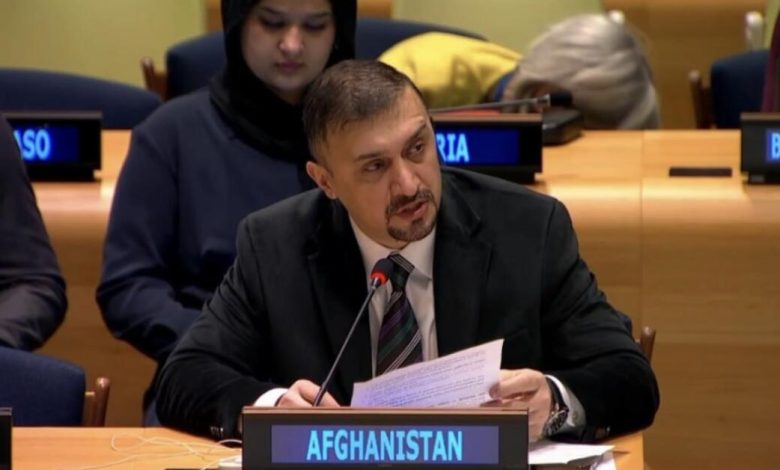
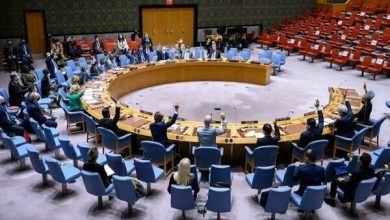
Nasir Ahmad Faeeq, head of Afghanistan’s mission to the United Nations, stated at a Security Council meeting that as the fifth anniversary of the Taliban’s return to power approaches, it has become clear to the international community that the group has taken no serious steps to change its approach, adopt moderation, or respond to the needs of the Afghan people.
He emphasized that, on the contrary, the Taliban administration’s policies during this period have become more “strict, exclusive, and repressive,” plunging the country into simultaneous humanitarian, political, social, and economic crises. According to him, this situation is a direct result of policies designed and implemented based on pressure and intimidation.
Faeeq referred to the extensive restrictions on women and girls, saying they have effectively been excluded from public life, civil space has collapsed, economic structures have been severely damaged, and an entire generation has been deprived of the right to education. He stressed that these consequences are neither accidental nor unintended but are the result of conscious decisions by the Taliban administration.
The acting head of Afghanistan’s mission also criticized the so-called “pragmatic engagement” approach with the Taliban, stating that such engagement without fundamental policy changes will not lead to lasting peace, stability, or prosperity in Afghanistan. He called for the establishment of a new process led by the United Nations to create a political order and a legitimate, inclusive constitution based on the will of the Afghan people.
In another part of his remarks, Faeeq urged the Security Council to prevent continued attacks by Pakistan on civilian areas and infrastructure in Afghanistan. He added that just as the Taliban do not represent the Afghan people, the violence resulting from their policies, including sheltering terrorist groups, does not reflect the wishes and will of Afghan citizens.