UN Expresses Concern Over Pakistan-Taliban Tensions Affecting Afghan Returnees
The United Nations High Commissioner for Refugees (UNHCR) has stated that rising tensions between Pakistan and the Taliban administration have adversely impacted Afghan returnees and complicated the process of assisting them.
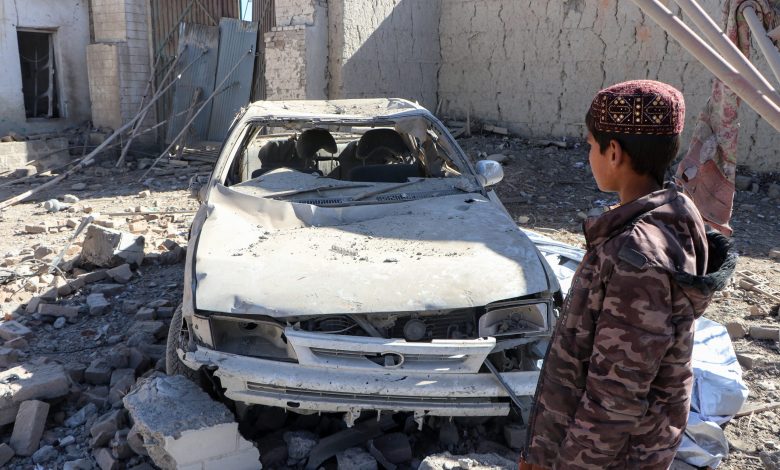
The agency reported on Wednesday, March 3, that two key transit centers — the Amuri center near the Torkham crossing and the Tach Pul reception center near the Spin Boldak crossing — have suffered damage following recent attacks. These centers serve as primary points for receiving and registering returnees.
UNHCR emphasized that the protection of civilians, particularly refugees and returnees, must be prioritized. The agency warned that neglecting civilian safety could lead to far-reaching humanitarian consequences.
According to the report, since the beginning of 2026, 232,500 people have returned to Afghanistan from Pakistan and Iran. Additionally, from October 2023 to the present, the total number of returnees from these two countries has reached 5.4 million.
The United Nations added that the large-scale and rapid returns have significantly increased protection needs and heightened the risk of further instability in Afghanistan and the region, including the potential for subsequent migration flows. Many returnees are facing shortages in shelter, healthcare, and livelihood opportunities, underscoring the Taliban administration’s heightened responsibility to provide effective support and accommodation.
UNHCR stated it requires $454.2 million in funding for 2026 to support and protect forcibly displaced people in Afghanistan, Iran, Pakistan, and Central Asia.